BIRMINGHAM, Ala. — Alabama is not typically where political observers look for signs of erosion in support for Donald Trump. The state has voted reliably Republican in recent presidential elections, and Trump has long enjoyed enthusiastic backing from rural voters, farmers, and small-business owners across the Deep South.
Yet recent discussion surrounding a Trump appearance in Alabama — amplified across social media and partisan media outlets — has reignited a broader, more substantive question: how durable is support among agricultural communities that were directly affected by the trade policies of Trump’s first term?
At the center of the debate are tariffs imposed during the U.S.-China trade war, particularly those that triggered retaliatory measures against American agricultural exports. Soybeans, Alabama’s largest row crop by value, were among the commodities most exposed. China had been the largest foreign buyer of U.S. soybeans before trade tensions sharply reduced exports.
While viral posts have portrayed the Alabama rally as a dramatic confrontation between Trump and angry supporters, there is no independent confirmation of chants or coordinated protests at the event. What is well documented, however, is the economic strain many farmers experienced between 2018 and 2020 — and the lingering political memory of that period.
According to data from the U.S. Department of Agriculture, soybean prices fell significantly during the height of the trade dispute, forcing many farmers to rely on federal aid programs designed to offset losses. Trump’s administration distributed tens of billions of dollars in trade-related assistance, a move that helped stabilize incomes but also underscored the extent of the disruption.

“Farmers understood the logic of tariffs in theory,” said an agricultural economist familiar with Southern markets. “But in practice, the pain was immediate, and the benefits were abstract or delayed.”
In Alabama, where farming communities are smaller and margins thinner than in Midwestern agricultural states, volatility hit especially hard. Local farm bureaus and cooperatives publicly supported relief payments at the time, while privately expressing concern about long-term market access and uncertainty.
That tension has resurfaced as Trump campaigns again on an aggressive trade platform. While many Republican voters continue to view tariffs as a tool to confront China and protect American manufacturing, farmers remain wary of being collateral damage in future trade conflicts.
Political analysts caution against interpreting online backlash as evidence of a broader realignment. Alabama remains overwhelmingly Republican, and polling continues to show Trump as the dominant figure within the party. Still, even isolated expressions of frustration matter in a campaign that relies heavily on turnout and enthusiasm.
“What you’re seeing isn’t a mass defection,” said a Southern politics scholar. “It’s conditional loyalty. Voters can support Trump culturally and politically while still feeling burned economically.”
Social media has magnified these sentiments, often stripping them of nuance. Clips of farmers criticizing tariffs — some from years-old interviews — have been recirculated as if they reflect a sudden revolt. Hashtags suggesting Alabama is “turning” politically overstate the case, but they do reflect a real undercurrent of unease.
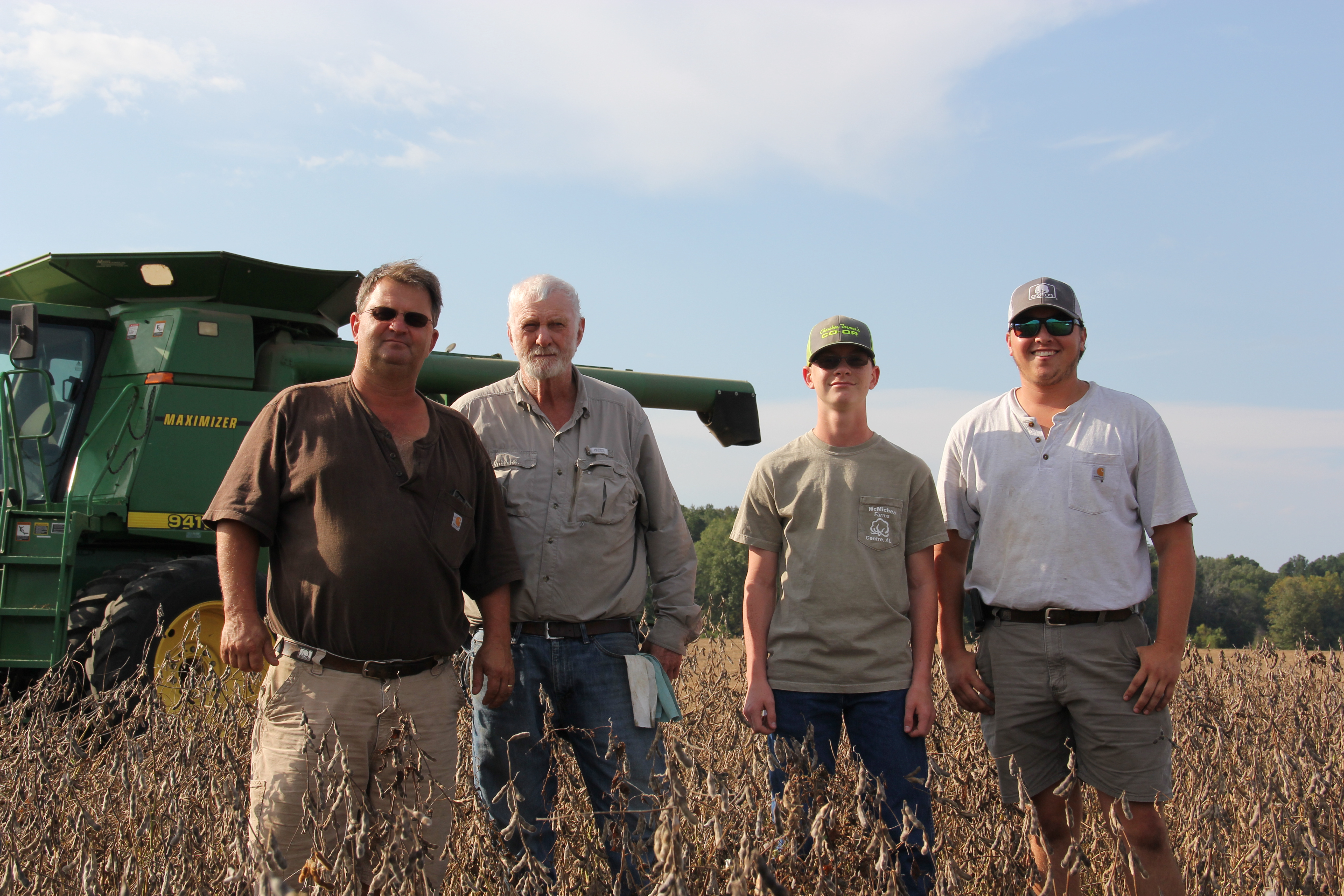
Trump allies argue that his trade policies ultimately strengthened American leverage and that short-term pain was unavoidable. They also point to strong commodity prices in later years and to continued rural support in subsequent elections as evidence that farmers accepted the strategy.
Critics counter that repeated disruptions erode trust, especially among voters whose livelihoods depend on stable export markets. They argue that enthusiasm can soften even in loyal states when economic grievances intersect with campaign rhetoric.
What makes the Alabama discussion notable is not the scale of dissent, but its symbolism. Red states are often treated as politically static, yet they contain diverse economic interests that do not always align neatly with national messaging.
As the campaign accelerates, Trump faces a familiar challenge: persuading voters who share his cultural outlook that future trade confrontations will not once again place them on the front lines.
For now, Alabama remains firmly Republican. But the renewed focus on tariffs highlights a truth often obscured by viral headlines — that political loyalty, even in deep-red states, is shaped not just by identity and ideology, but by balance sheets, crop prices, and the lived consequences of national policy.
In that sense, the conversation unfolding online may be less about a sudden backlash and more about an unresolved question that never fully went away.

Leave a Reply