WASHINGTON — The John F. Kennedy Center for the Performing Arts, one of the nation’s most prominent cultural institutions, has found itself at the center of renewed political attention following online claims that Donald Trump sought to alter its name or was barred from attending events there.
A review of public records, federal law, and statements from individuals familiar with the Kennedy Center’s governance shows no evidence that such actions were proposed or carried out. Officials say the center’s name, mission, and attendance policies remain unchanged.
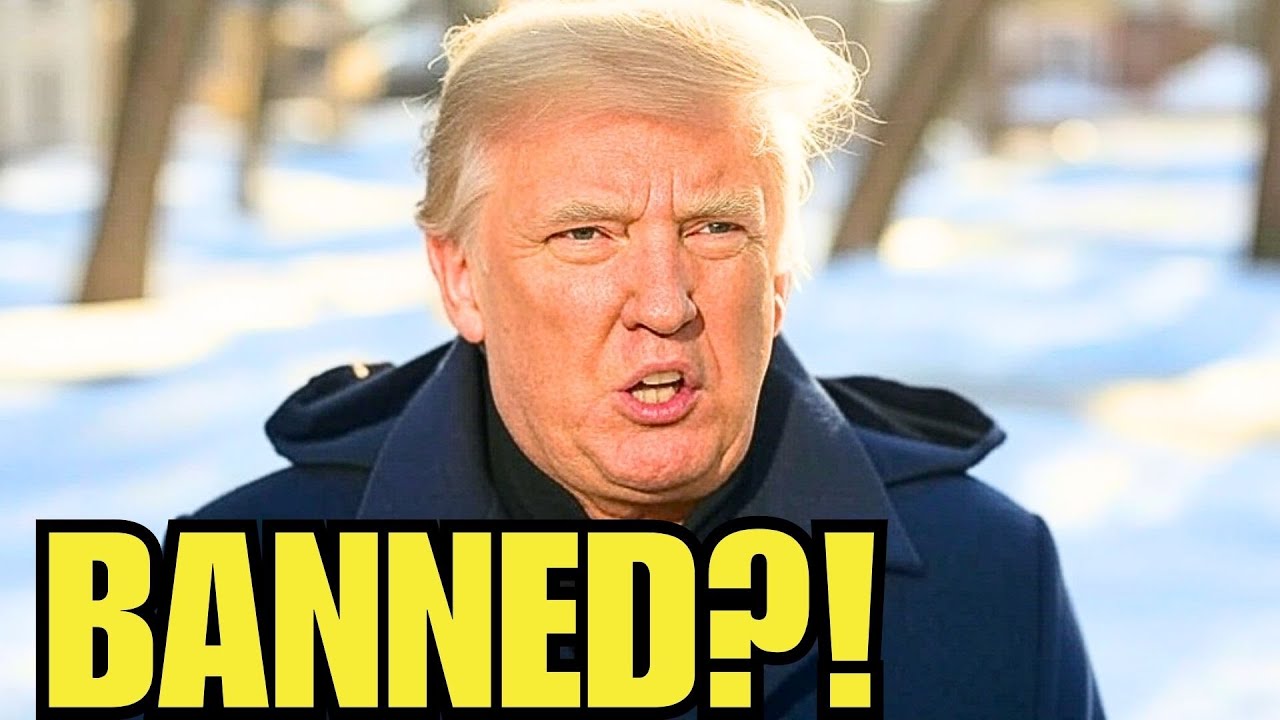
The Kennedy Center, established by Congress in 1958 as a living memorial to John F. Kennedy, operates under a congressional charter that strictly defines its structure and authority. Any change to the institution’s name would require an act of Congress, not a decision by its board of trustees or a former president.
“There has been no discussion, vote, or proposal — formal or informal — regarding renaming the Kennedy Center,” said a person familiar with the board’s operations, speaking on condition of anonymity to describe internal procedures. “And no individual has been banned from attending performances.”
Governance and Legal Limits

The Kennedy Center is overseen by a board of trustees composed of presidential appointees, members of Congress, and ex officio federal officials. While presidents appoint some trustees, the board functions independently and is not empowered to change the center’s name or impose attendance restrictions based on political considerations.
Federal law explicitly establishes the Kennedy Center as a nonpartisan institution dedicated to the performing arts. Its charter emphasizes public access and cultural preservation, insulating it from unilateral political action.
During Trump’s presidency, cultural tensions between the administration and parts of the arts community were well documented. Trump notably declined to attend the annual Kennedy Center Honors ceremonies, departing from a tradition observed by most modern presidents. That decision, however, was voluntary and did not reflect any restriction imposed by the center.

At the time, Kennedy Center officials stressed that the institution remained open to the president and the first family, while artists and honorees exercised their own freedom of expression.
How the Narrative Took Hold
The recent claims appear to have emerged from long-standing symbolic friction between Trump and cultural institutions associated with political legacy and national identity. The Kennedy name, closely tied to Democratic politics and liberal cultural history, has long been viewed by Trump critics and supporters alike as emblematic of an establishment Trump frequently challenged.
Political analysts say such symbolism makes the Kennedy Center an attractive target for speculation, even when no concrete action occurs.
“In Washington, institutions like the Kennedy Center function as cultural shorthand,” said a historian of American politics. “They represent history, legacy, and national values — which makes them easy to pull into broader political storytelling.”
:max_bytes(150000):strip_icc():focal(749x0:751x2)/joe-kennedy-iii-2-8891ebb149fb4fb39770d95e5fc6f73f.jpg)
No board statements, meeting minutes, or official communications support claims of a “midnight revolt,” a unanimous rejection of a renaming plan, or a ban on Trump’s attendance.
The Board’s Role and Composition
While Trump appointed several trustees during his term, those appointments did not give him operational control over the center. Trustees serve staggered terms and act collectively, with decisions constrained by federal statute.
Board members from both parties have repeatedly emphasized that the Kennedy Center’s purpose is cultural, not political. Programming decisions, event invitations, and attendance policies are handled through established administrative processes, not partisan alignment.
“The center belongs to the public,” said a former trustee. “It’s not a venue for settling political scores.”
Cultural Institutions in Political Crossfire
The episode highlights how cultural institutions increasingly become focal points in political conflict, particularly in an era of rapid information sharing. Claims can circulate widely before institutional realities catch up, leaving organizations to respond to narratives rather than actions.
Similar controversies have arisen around museums, libraries, and universities, where symbolism and governance are often misunderstood or oversimplified in online discourse.
For the Kennedy Center, officials say the priority remains continuity. Its schedule of performances, educational programs, and national events continues uninterrupted, with no changes to naming, access, or governance.
The Broader Context
Trump remains a polarizing figure whose relationship with cultural elites has long been strained. But legal and institutional barriers limit the extent to which those tensions can translate into concrete action against entities like the Kennedy Center.
As of now, there is no indication that Trump sought to rename the center, nor that the board acted to exclude him. The Kennedy Center remains what it has been for more than half a century: a federally chartered, nonpartisan institution honoring the legacy of John F. Kennedy through the performing arts.
In Washington, where politics often intersect with symbolism, officials caution that not every viral narrative reflects an actual power struggle. Sometimes, they say, it reflects the enduring pull of names, history, and the institutions that carry them.

Leave a Reply