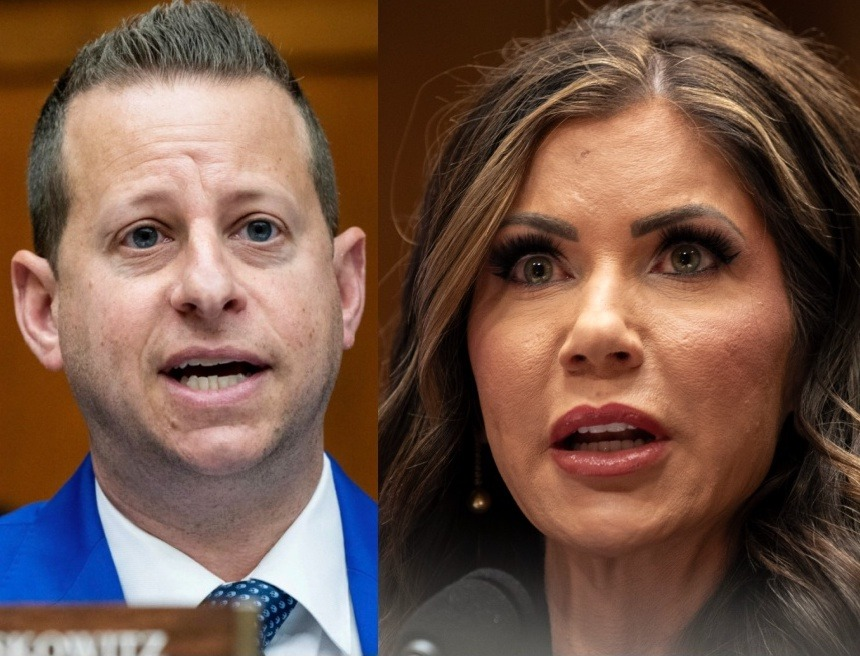
In a move that left everyone in the room stunned and laughing, Congressman Jared Moskowitz took the floor during a heated markup for a bill on deporting migrants who harm animals, but he didn’t come to make a serious legislative statement. Instead, he came to brilliantly troll Governor Kristi Noem, using her own memoir against her in a way that no one saw coming. What began as a serious discussion about animal rights, quickly spiraled into a moment of pure political theatre, thanks to Moskowitz’s comedic timing and sharp wit.
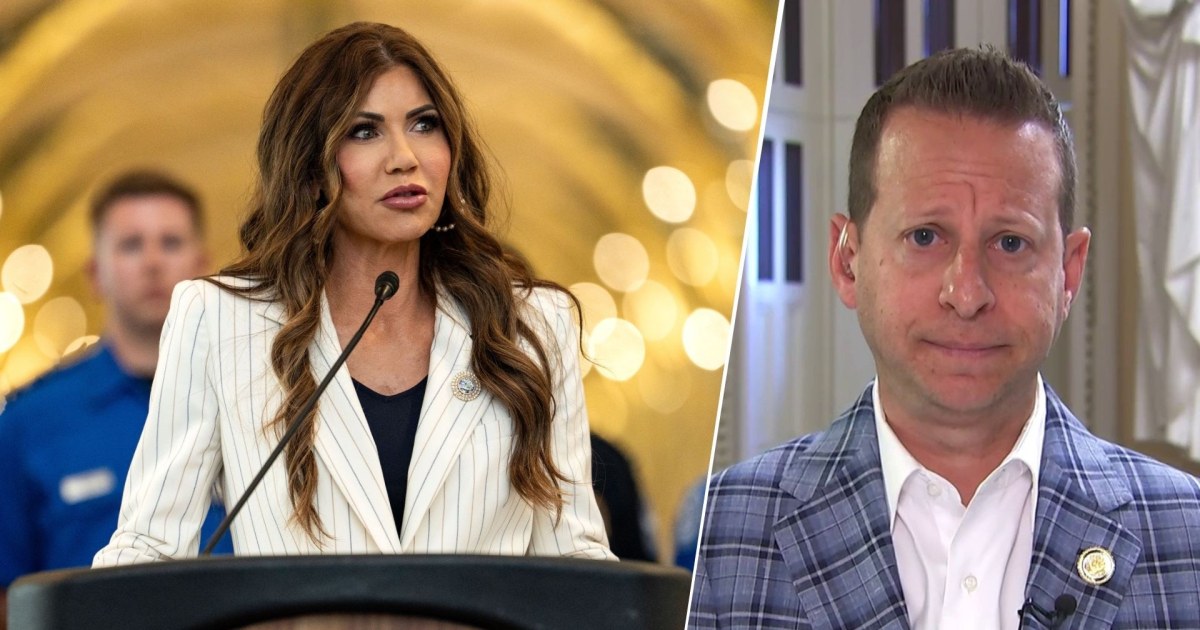
A Lesson in Irony and Animal Rights
The bill, dubbed “The BOWOW Act,” was introduced by a Republican in an attempt to further strengthen deportation measures for migrants who are convicted of harming animals used in law enforcement. While its intentions seem to be rooted in animal welfare, it carries an underlying political motive to bolster Trump-era policies around immigration.
But during the markup, as the bill was being debated, Moskowitz took the opportunity to expose a glaring irony. He opened with a spirited reading from Governor Kristi Noem’s memoir. He chose the part of her book where she recounts the distressing tale of shooting her dog, Cricket, in a gravel pit. It was, as Moskowitz pointed out, a deeply uncomfortable passage for anyone concerned with the protection of animals. Yet, here it was, being touted as part of a bill meant to protect dogs.
The Unlikely Reading of a Heart-Wrenching Story
Moskowitz’s reading was nothing short of theatrical. With mock seriousness, he read aloud, “I hated that dog … The dog, on the way home from a pheasant hunt, was untrainable, and it went to go attack the chickens. And at that moment, I realized I had to put her down. So, I grabbed a gun and led Cricket to a gravel pit. It wasn’t a pleasant job, but it had to be done.”
He paused, letting the words hang in the air before delivering the punchline. “And after it was over, I realized another unpleasant job needed to be done, and so I went and got the family goat and brought that to the gravel pit, and unfortunately, I wasn’t able to kill that goat with one shot.”
The room erupted with laughter, some of it nervous, others unrestrained. Moskowitz couldn’t help but laugh along as he recounted the bizarre and unsettling details. The passage, which was meant to be a personal reflection in Noem’s book, became the perfect piece of political theatre.
Why Did Moskowitz Do It?
Moskowitz wasn’t just trying to embarrass Noem—though it was certainly a part of it. His broader message was about the inconsistency in the application of animal cruelty laws. As he read from Noem’s memoir, he raised an important question: how could lawmakers be so intent on punishing migrants for animal cruelty, but ignore the actions of powerful figures like Noem who had publicly admitted to killing a dog?
“The point of bringing it up,” Moskowitz said, “is on the merits of the bill. We can debate the merits of the bill, but if we’re just going to get on our high horse about animal cruelty—which I think we all agree on, by the way, I think there’s unanimity here on animal cruelty—I just want to make sure that we apply that universally.”
He wasn’t wrong. Noem had admitted to killing her dog in a way that many would consider cruel, yet her actions had gone largely unpunished. Meanwhile, the BOWOW Act, which was meant to target people who harm law enforcement animals, had the potential to harm innocent migrants who may have been falsely accused of animal cruelty. Moskowitz’s point was clear: how could anyone seriously claim to champion animal rights while letting figures like Noem off the hook for their actions?
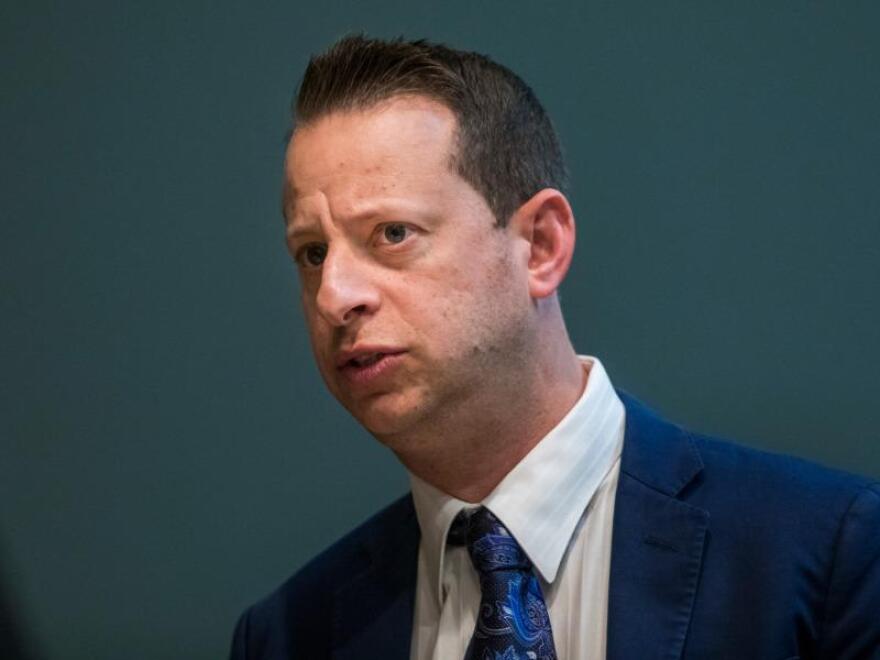
The Unspoken Criticism of the BOWOW Act
While Moskowitz’s trolling of Noem became the talk of the day, the real issue at hand was the BOWOW Act itself. While some may have seen it as a noble attempt to protect animals, it was, in reality, part of a broader agenda to ramp up deportation efforts under the Trump administration.
The bill was introduced as a way to further crack down on migrants, casting them all as potential animal abusers in the process. The bill’s sponsors were keen to link animal cruelty with immigration in the public’s mind, creating a false narrative that migrants were inherently harmful to animals. It was a move that would play well with certain political factions, but it did little to genuinely protect animals. Instead, it painted a deeply xenophobic picture of migrants and animal cruelty.
Moskowitz was having none of it. He wasn’t about to let Congress pass a bill that might result in the deportation of innocent people while ignoring the hypocrisy of those who held power. By reading from Noem’s memoir, he exposed the flaws in the bill, questioning whether the lawmakers truly cared about animal welfare, or whether it was just another vehicle for anti-immigrant sentiment.
The Humorous Side of Politics
Moskowitz’s reading was a brilliant piece of political theatre. It was sharp, it was clever, and it was completely unexpected. But it wasn’t just about mocking Noem—it was about shining a light on the hypocrisy and injustice inherent in the political system.
His reading left many in the room snickering and left Noem herself to squirm in her seat. But while the scene was comical, it raised a very serious point: animal cruelty laws and deportation policies should not be politicized to further an anti-immigrant agenda. The cruelty that animals suffer should be met with genuine care, compassion, and accountability, no matter who is involved.
In a way, Moskowitz’s antics were a reminder that sometimes, humor is the best way to bring attention to serious issues. While the BOWOW Act sought to dehumanize migrants, Moskowitz humanized the issue, showing that laws shouldn’t be used as tools of division and hate. Instead, they should be rooted in fairness and empathy—values that should apply to all, whether they are migrants or politicians.

Conclusion: A Call for Consistency and Fairness
Moskowitz’s trolling of Kristi Noem wasn’t just a moment of political comedy—it was a brilliant reminder of the inconsistencies and hypocrisies in the political system. While Noem’s actions went largely unpunished, the BOWOW Act threatened to unfairly target innocent migrants, furthering an agenda of division and hate.
The bill’s true intent—whether acknowledged or not—was to exploit the public’s love for animals to stoke fears about migrants. And in that moment, Moskowitz, by using Noem’s own words against her, showed that animal cruelty laws should be applied universally, without bias or political agenda.
As the debate over the BOWOW Act continues, let’s hope that lawmakers can take a step back and reevaluate their priorities. True protection for animals means ensuring that no one is above the law, no matter their status or political power. And if that means holding powerful figures accountable for their actions—whether it’s Kristi Noem or anyone else—then so be it.
Moskowitz’s reading wasn’t just a clever troll—it was a call for fairness, for consistency, and for a politics that truly puts the welfare of all at the forefront.

Leave a Reply