Trump Clashes With SNL After Michael Che’s Satirical Segment Sparks Political Back-and-Forth
In a moment that underscored the increasingly fraught intersection of politics and late-night entertainment, former President Donald J. Trump sharply criticized Saturday Night Live over a weekend segment in which cast member Michael Che delivered a pointed satirical monologue about Mr. Trump’s rhetoric, legal challenges and recent public remarks. The reaction, delivered through a series of statements and posts, amounted to one of Mr. Trump’s most forceful attacks on the long-running NBC program in recent months and reignited a debate about the role of political comedy in an election year.
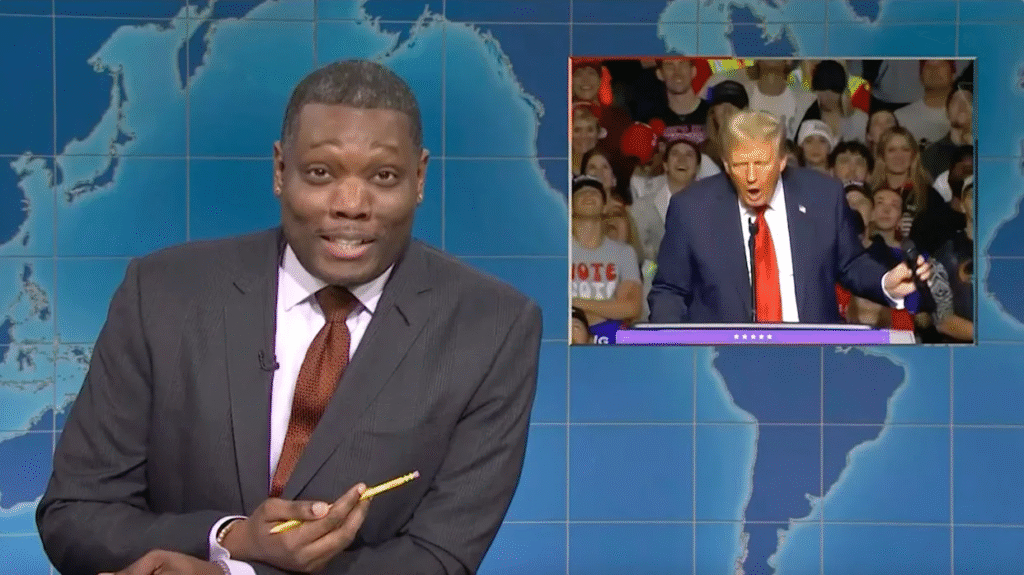
The episode, hosted by a veteran comedian and featuring several politically themed sketches, included a “Weekend Update” bit in which Mr. Che lampooned Mr. Trump’s campaign speeches, his insistence on revisiting past grievances, and his frequent criticism of media coverage. Though the jokes fell squarely within the show’s long tradition of political parody, they drew outsized attention online, generating millions of views within hours and turning the segment into a focal point of national conversation by Sunday morning.
A Familiar Pattern of Tension
Mr. Trump has a long history with Saturday Night Live, both as a one-time host and as a frequent target of its satire. Yet the intensity of his response this week surprised even some longtime aides. According to two individuals familiar with the situation, the former president was “deeply aggravated” by the tone of the segment, viewing it as an unfair portrayal that minimized his policy positions while exaggerating his personal controversies for comedic effect.
In statements that echoed his previous attacks on media institutions, Mr. Trump argued that the broadcast amounted to “election interference” and urged networks to impose standards he described as “fairness obligations.” While the comments carried no legal weight, they prompted pushback from media advocates who said political satire remains protected speech regardless of its target.
NBC declined to comment on Mr. Trump’s remarks, consistent with its longstanding practice of avoiding public engagement on political reactions to SNL content.
Inside the SNL Response
People familiar with the show’s production said cast and crew were unsurprised by the backlash. SNL has weathered decades of criticism from politicians of both parties — including Presidents Ford, Carter, Reagan, Clinton, Obama and George W. Bush — and producers typically avoid direct confrontation.
Mr. Che, whose comedic style often blends political commentary with self-deprecating humor, did not address the controversy publicly. But colleagues noted that the segment was conceived as satire, not a policy critique. “This is exactly the kind of material the show has been doing since the 1970s,” said one former writer. “If anything, it’s milder than some of its earlier political work.”
Political Reverberations
Within Republican circles, reactions were mixed. Several high-profile conservatives defended Mr. Trump, accusing SNL of leaning too heavily into partisan themes. Others quietly expressed concern about the intensity of his response, noting that public clashes with entertainers can distract from campaign messaging.
Democratic strategists, meanwhile, framed the episode as emblematic of the former president’s broader struggle to navigate modern media culture. “Satire is a barometer of political relevance,” one strategist said. “If you’re being parodied, it means you’re part of the conversation. The question is whether you amplify the joke by reacting.”
Late-night comedy figures, including hosts from rival networks, addressed the episode briefly on their Monday broadcasts, with most framing it as another chapter in the ongoing tension between elected officials and televised satire.
A Broader Debate Over Comedy and Politics
Political scientists noted that the exchange raises enduring questions about the role of humor in democracy. Satire, they said, operates as both entertainment and public commentary, often reaching viewers who may not follow day-to-day political news. Though its tone can be exaggerated by design, scholars argue that it remains an integral part of political discourse.
“What we’re seeing is not new,” said Dr. Alicia Mendes, a professor of media studies at Columbia University. “From Mark Twain to modern late-night shows, comedians have always played a role in scrutinizing public figures. What’s changed is the speed and scale at which these moments travel.”
Indeed, clips from the segment continued circulating widely throughout the week, shared by both supporters and critics of Mr. Trump. Analysts say the virality reflects a media landscape in which entertainment and politics increasingly overlap, creating moments that can influence public perception even when rooted in parody.
Where It Goes From Here
For SNL, the controversy is unlikely to alter its creative approach. The show has long embraced political material, particularly during election cycles, and producers are said to be preparing additional politically themed sketches as the year progresses.
For Mr. Trump, the episode adds yet another flashpoint in a campaign cycle marked by legal battles, policy debates and ongoing challenges in shaping media narratives. Advisors acknowledge that his responses to cultural criticism can energize his base but concede they also risk overshadowing policy messaging at key moments.
As the election season intensifies, the dynamic between political figures and late-night comedy is expected to remain a source of national fascination — a reminder that in modern American politics, the line between governance and entertainment is often thinner than it appears.

Leave a Reply