Mike Pence Breaks His Silence on T.R.U.M.P — and Why His Account Could Cut Straight Through the January 6 Legal Fight
A new round of Mike Pence comments is ricocheting across Washington — not because the former vice president is merely criticizing t.r.u.m.p, but because Pence’s version of events goes directly to the legal heart of the January 6 story: what t.r.u.m.p knew, when he knew it, and whether the pressure campaign was pursued despite repeated warnings that the plan had no legal basis.
At the center of Pence’s account is a claim he has made consistently in interviews and public statements: the vice president did not have constitutional authority to block or overturn the certification of electoral votes. Pence has framed that as a bright line — and he has said t.r.u.m.p nonetheless demanded he cross it. In a CBS interview, Pence reiterated that there was “no discretion” for a vice president to reject votes, directly pushing back on arguments that he could have done more than preside over the count.
That point sounds procedural until you place it inside the legal battlefield. In election-interference cases, prosecutors often need to prove intent — not just that a defendant took controversial steps, but that the defendant understood those steps were unlawful and pursued them anyway. Pence’s story matters because it aims at that mental state: pressure applied after warnings is qualitatively different from pressure applied in good-faith confusion.
“I had no right to overturn the election”
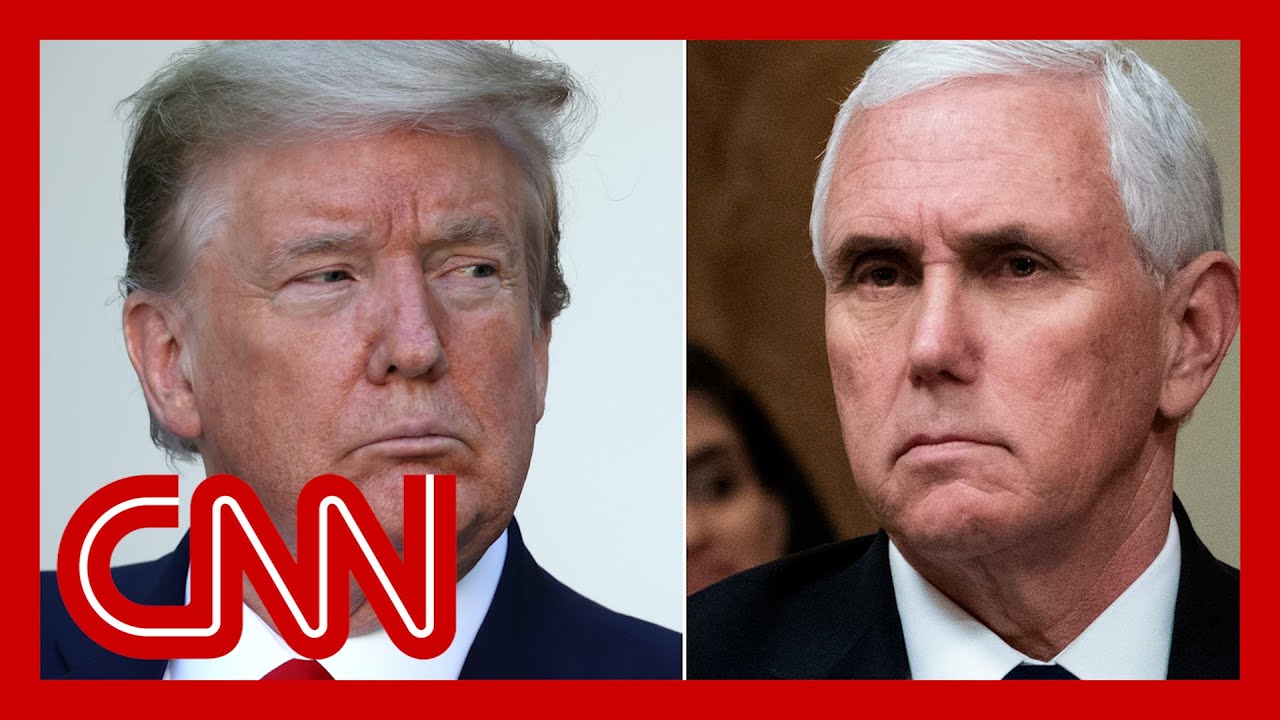
Pence’s position is not new, but the way it keeps resurfacing is. FactCheck.org summarized Pence’s claims that t.r.u.m.p and what Pence called a “gaggle of crackpot lawyers” pushed him to “literally reject votes” or return votes to the states — something Pence said he could not legally do.
That aligns with reporting that, behind closed doors, multiple aides and advisers recognized the legal theory was shaky. PBS has reported on testimony indicating even some t.r.u.m.p advisers acknowledged Pence had no legal standing to challenge the electoral count.
The most legally consequential framing, however, is the idea that t.r.u.m.p was told the plan was illegal or unconstitutional — and pressed anyway. Public Jan. 6 committee evidence included repeated warnings to t.r.u.m.p that the effort to have Pence intervene lacked legal grounding.
The contemporaneous notes: why they’re a big deal
The phrase “contemporaneous notes” keeps appearing in serious reporting for a reason: notes taken at the time are often treated as more reliable than recollections reconstructed later. ABC News reported that Pence’s contemporaneous notes from around Jan. 6 became evidence in Special Counsel Jack Smith’s case related to t.r.u.m.p’s alleged efforts to overturn the 2020 election.
More recently, media coverage has described newly revealed handwritten notes from Pence detailing a heated Jan. 6 call, including direct quotations and Pence’s own blunt assessment of his duty under the Constitution. People magazine summarized reporting tied to Jonathan Karl’s book describing notes where t.r.u.m.p allegedly insulted Pence and kept pressing him to block certification — while Pence wrote lines emphasizing that courage meant upholding the law, not breaking it.
Why does that matter? Because notes don’t just say “this happened.” They can show sequencing: pressure → refusal → escalation. They can also anchor testimony to a precise timeline — who said what, at what moment, and in what tone. In litigation, that’s the difference between “he says/she says” and a narrative that can be corroborated.
“Hang Mike Pence” and the question of responsibility

Pence’s account also hits a darker, more combustible question: whether public attacks from t.r.u.m.p contributed to a dangerous environment as violence brewed. Pence was a target of rioter threats, including chants of “Hang Mike Pence,” a fact repeatedly documented in public reporting and official investigations. The issue is not merely historical; it remains politically radioactive and legally relevant in debates over incitement, foreseeability, and duty of care.
Court filings and public reporting have also focused attention on what t.r.u.m.p did or did not do while Pence was in danger, including alleged remarks relayed by aides. That question — whether t.r.u.m.p responded with urgency or indifference — continues to shape how Americans interpret the day’s events, and how investigators frame intent.
Why t.r.u.m.p’s team reacts so aggressively
Whenever Pence speaks about Jan. 6, the response pattern tends to be immediate: attack Pence’s credibility, reframe the legal theory, insist Pence had no “discretion” anyway — and argue the pressure campaign was not illegal. Pence, notably, has argued that the lack of discretion is exactly why the pressure was improper in the first place. CBS reported that t.r.u.m.p attorney John Lauro responded to Pence’s comments while Pence stressed the vice president had no right to overturn the election.
This matters because the fight isn’t only about what happened; it’s about the story’s legal meaning. If Pence’s account is viewed as credible, it supports a “knowledge” theory: that t.r.u.m.p was repeatedly warned and persisted. If the account is undermined, it becomes “politics,” not proof.
The larger impact: dominoes, not just headlines
Analysts have warned that testimony and evidence that clarify the internal warning system — who told t.r.u.m.p what, and when — could reshape how multiple investigations and potential cases are argued, even if it doesn’t instantly determine an outcome. PBS published a redacted trove of evidence released in the federal election interference case, illustrating how prosecutors try to build a mosaic of intent and action.
And Pence’s standing inside conservative politics makes the dynamic even more volatile. This isn’t a random critic. Pence served as vice president, was physically endangered during the riot, and has been publicly recognized for refusing to block certification — including being awarded the JFK Library Foundation’s Profile in Courage Award for his actions tied to Jan. 6
What to watch next
If Pence’s comments are supported by documents, notes, and corroborating witnesses, they could continue to influence legal narratives about intent — the “did he know it was wrong?” question that looms over January 6 litigation. If not, the story may remain a political weapon rather than courtroom leverage.
Either way, the key reality is this: when a vice president says he was pressured to break constitutional procedure, and he can point to notes and investigative interest in those notes, the argument stops being abstract. It becomes evidentiary.
⚡ Want the sharpest breakdown of what Pence’s account means legally — and why “knowledge” is the word prosecutors care about most? Drop into the comments.

Leave a Reply