Federal Reserve Reappoints Regional Bank Presidents Early, Reinforcing Institutional Continuity
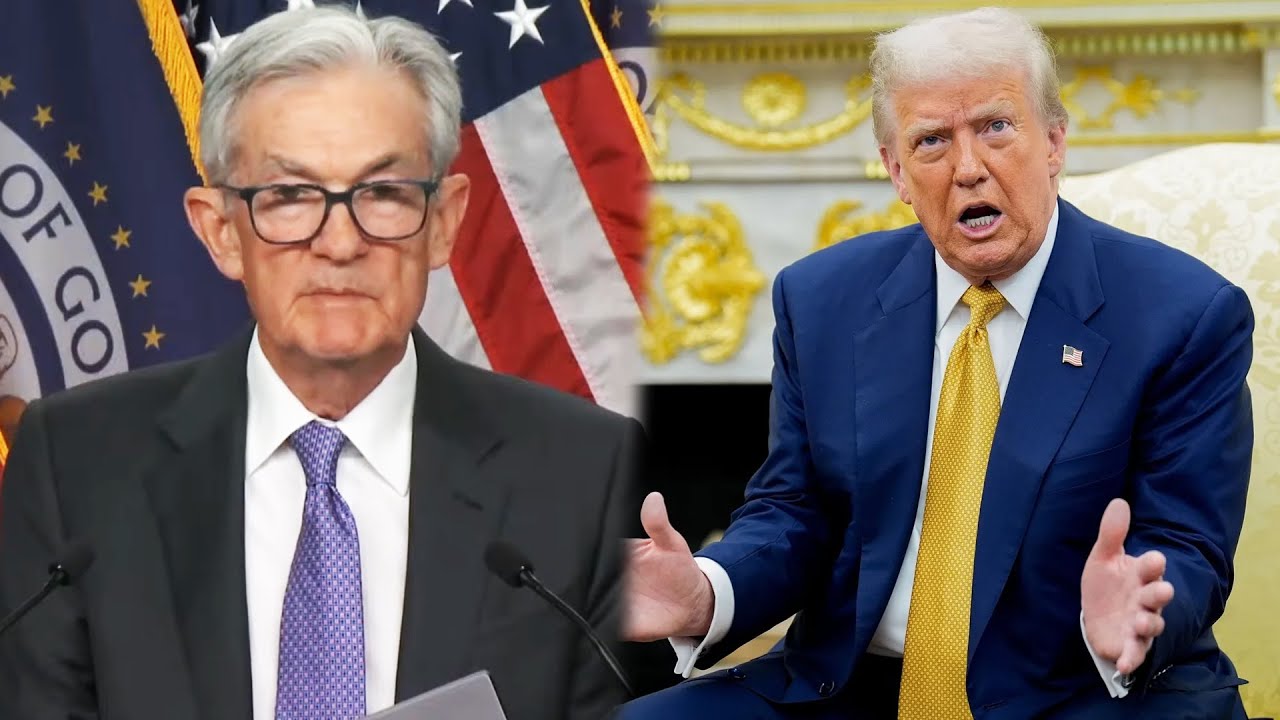
Washington — The Federal Reserve has quietly moved to reinforce continuity within its leadership ranks, reappointing 11 of its 12 regional Federal Reserve Bank presidents months earlier than expected — a procedural decision that has drawn renewed attention to the central bank’s insulation from political pressure.
The reappointments, approved unanimously by the Fed’s Board of Governors, extend the terms of most regional bank presidents by five years. While the move followed established governance rules, its unusually early timing stood out to economists and market participants, particularly given the intensifying political debate over interest rates and the Fed’s independence.
Federal Reserve officials declined to characterize the decision as extraordinary, describing it instead as an administrative step taken to ensure stability. But analysts said the outcome has meaningful implications for how monetary policy is set — regardless of who occupies the White House.
How the Fed’s Structure Works
Unlike many federal agencies, the Federal Reserve’s power is deliberately dispersed. Monetary policy decisions are made by the Federal Open Market Committee, which consists of the seven members of the Board of Governors and five of the twelve regional bank presidents, who rotate voting rights.
While the president can appoint members of the Board of Governors — including the Fed chair — regional bank presidents are selected by their local boards and approved by the Board of Governors. Their terms are long and staggered, a design meant to insulate monetary policy from electoral cycles.
By reappointing most regional presidents well ahead of schedule, the Fed effectively ensured continuity in the composition of the committee that sets interest rates for years to come.
Market Reaction and Interpretation
Financial markets reacted quickly, though not dramatically. Bond yields moved higher in the days following the decision, a shift some analysts attributed to reduced expectations of abrupt monetary policy changes.
“This reinforced the idea that monetary policy will remain institutionally anchored,” said Julia Coronado, president of MacroPolicy Perspectives and a former Fed economist. “Markets care deeply about predictability.”
Investors have been closely watching the Fed amid political rhetoric suggesting that interest rates should be cut rapidly to spur growth. While the Fed has emphasized that its decisions are driven by economic data, not politics, uncertainty about future leadership had been a lingering question.
Timing Raises Eyebrows, Not Alarms

In the past, reappointments of regional bank presidents have often occurred closer to the expiration of their terms. The decision to act months earlier than usual prompted speculation about whether the Fed was seeking to preempt uncertainty.
Fed officials declined to discuss internal deliberations but emphasized that early reappointments are permitted and not unprecedented.
“The Fed is always thinking about continuity and operational stability,” said Donald Kohn, a former Fed vice chair. “It doesn’t need to justify routine governance decisions in political terms.”
Independence Under the Spotlight
The episode has revived broader discussion about the Fed’s independence — a principle enshrined in law but frequently tested in practice. Former President Donald J. Trump has repeatedly criticized the central bank and its leadership, arguing that higher interest rates slow growth and disadvantage American businesses.
While presidents have limited authority over regional bank leadership, public pressure can influence expectations. Economists said the early reappointments underscore how institutional design can buffer against such pressure.
“This is exactly what the system was built to do,” said Peter Conti-Brown, a Fed historian and professor at the University of Pennsylvania. “Not to oppose any one politician, but to ensure that monetary policy isn’t subject to sudden political swings.”
Jerome Powell and the Bigger Picture
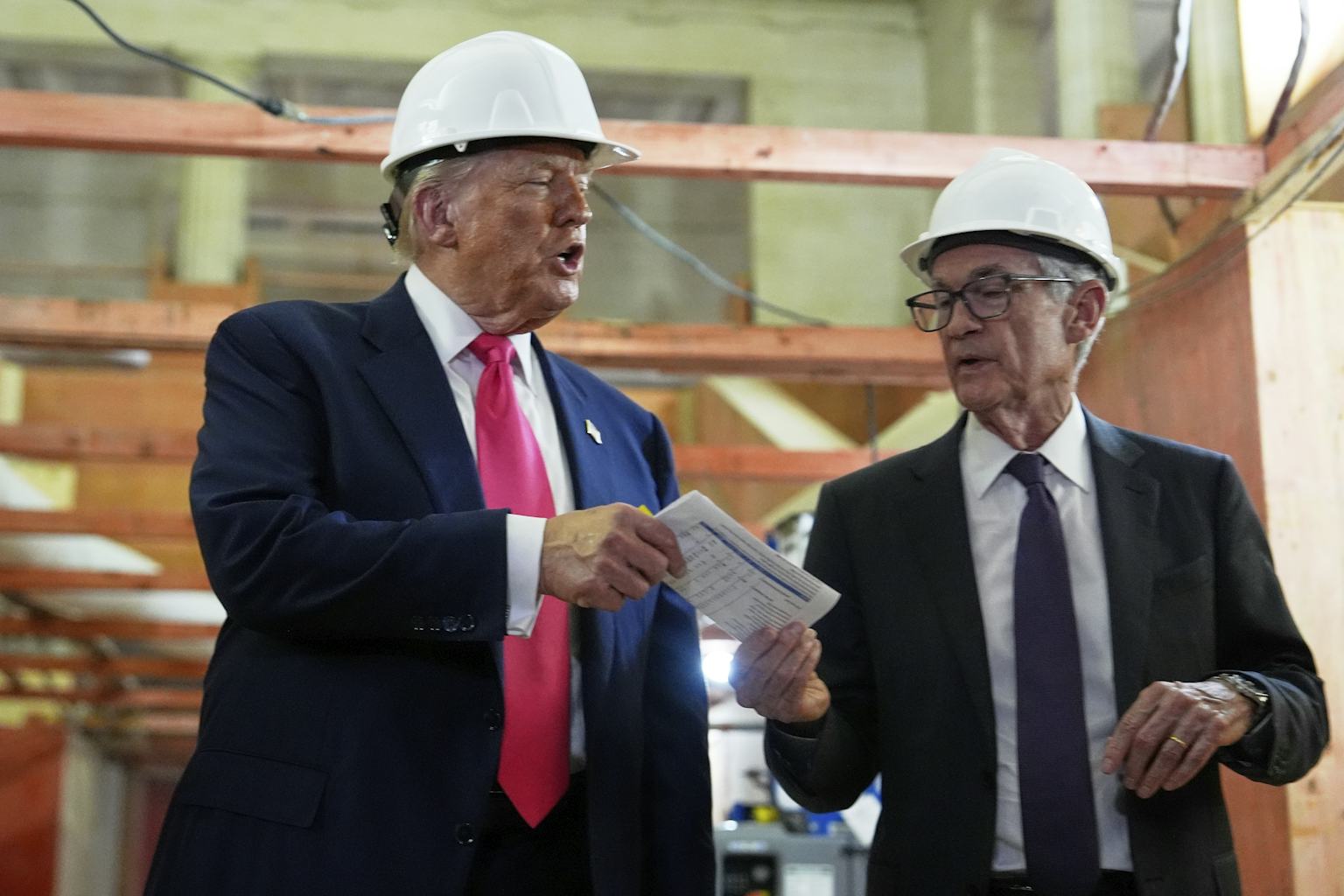
Speculation about the future of Fed Chair Jerome H. Powell has intensified amid election-year politics. But analysts noted that the early reappointments reduce the significance of any single leadership change.
“Even if the chair changes, policy is made by a committee,” said Sarah Binder, a senior fellow at the Brookings Institution. “That’s the firewall.”
Public Attention, Quiet Execution
The decision received little immediate public notice, reflecting the Fed’s preference for low-profile governance. Only after market participants connected the dots did the move begin to attract broader scrutiny online.
Economists cautioned against reading the decision as a political maneuver, noting that central banks globally have taken steps to emphasize independence during periods of heightened polarization.
“Central banks don’t announce defensive moves,” Coronado said. “They embed them in process.”
A System Doing What It Was Designed to Do
Ultimately, experts said, the significance of the early reappointments lies less in intent than in effect. The Federal Reserve has reaffirmed the durability of its structure at a moment when that durability is being tested.
“The Fed didn’t change the rules,” Conti-Brown said. “It used them.”
Whether the decision fades into the background or becomes a touchstone in debates over central bank independence remains to be seen. But for now, the episode stands as a reminder that some of the most consequential decisions in economic governance happen quietly — through process, not proclamation.

Leave a Reply