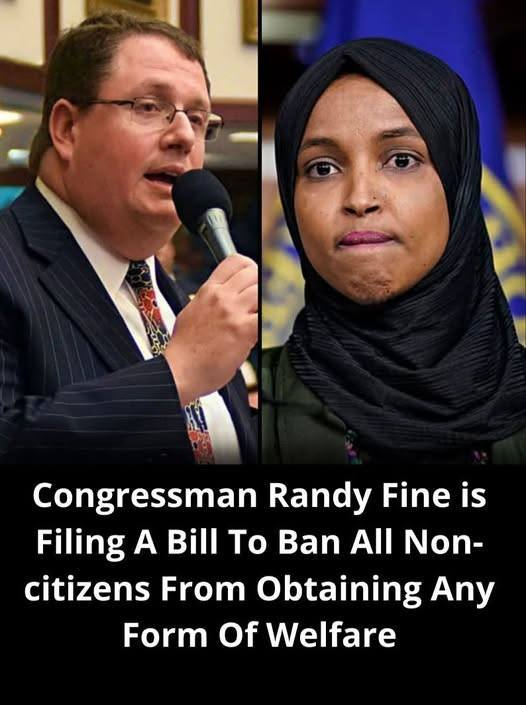
Introduction: A Controversial Proposal That Divides Public Opinion
In the halls of American politics, there are always policies that spark passionate debates, but few proposals have divided public opinion as sharply as Congressman Randy Fine’s recent bill to ban non-citizens from receiving any form of welfare benefits. The bill, which targets welfare programs like SNAP (Supplemental Nutrition Assistance Program), Section 8 housing assistance, and Medicaid, seeks to curtail access to public benefits for non-citizens, regardless of their legal status.
Fine, a Republican from Florida, has made it clear that his intentions are focused on protecting American taxpayers. His direct message? “If you want free stuff, go home.” While supporters of the bill claim that it’s a necessary step to preserve taxpayer dollars and prioritize citizens in need, critics argue that it unfairly targets immigrants, many of whom contribute significantly to the U.S. economy and society.
This bill raises important questions: Is it truly about safeguarding the public purse, or does it set a dangerous precedent by placing blame on immigrants who have already faced significant challenges? The debate surrounding this proposal touches on deep issues of immigration policy, welfare reform, and the values that define American society.

Understanding the Bill: What Does Congressman Fine Propose?
Congressman Randy Fine’s bill aims to prohibit all non-citizens from accessing federal welfare programs. Specifically, the bill would eliminate eligibility for non-citizens for benefits such as SNAP, Section 8 housing, and Medicaid. These programs, often referred to as public assistance or welfare, are designed to provide financial and health-related support to low-income individuals and families.
Under Fine’s proposal, non-citizens, including legal immigrants and undocumented individuals, would no longer be able to rely on these services, forcing them to either return to their home countries or find other means of survival. The bill has sparked heated debates over the role of government in providing assistance, the financial burden on taxpayers, and the impact on vulnerable populations, particularly immigrants.
One of the key components of the bill is its broad application. It does not differentiate between legal immigrants, refugees, or undocumented individuals. This all-encompassing approach has raised alarms among immigrant advocacy groups, who argue that it punishes those who are already contributing to the American economy but may be ineligible for citizenship due to immigration delays or policies.
Fine’s supporters argue that the bill is about protecting U.S. taxpayers from footing the bill for non-citizens who are not contributing to the system in the same way that American citizens do. They contend that welfare programs should be reserved for those who have contributed to the country’s tax base and are legally entitled to such benefits.
The Debate: Protecting Taxpayers or Unfairly Targeting Immigrants?
The proposed welfare ban has ignited fierce debate across political and social lines. On one hand, proponents argue that the bill is a logical step toward protecting American taxpayers and ensuring that public benefits are used responsibly. They contend that the U.S. government spends billions of dollars annually on welfare programs, and non-citizens should not be eligible to receive such assistance if they have not contributed to the tax base.
For these supporters, the idea of non-citizens accessing public assistance is seen as an unfair burden on taxpayers who are already stretched thin by rising healthcare costs, housing prices, and education expenses. They argue that it’s simply a matter of fairness to prioritize citizens and legal residents over non-citizens, especially in a time of economic uncertainty.

Critics of the bill, however, see it as a direct attack on immigrants—many of whom work in essential industries such as agriculture, construction, and healthcare. They argue that while some non-citizens may not be eligible for full citizenship, they still contribute to the economy by paying taxes, supporting industries, and often working in jobs that many Americans are unwilling to take. Many non-citizens, particularly those with temporary or legal status, are paying into the system through payroll taxes, sales taxes, and property taxes, yet are being excluded from receiving the benefits they help fund.
Furthermore, opponents of the bill emphasize the human cost. The proposal could potentially force vulnerable families, including children and elderly non-citizens, into even more precarious situations, including homelessness or hunger. Critics argue that this policy is short-sighted and fails to acknowledge the broader benefits that immigrants bring to society. Immigrants, they argue, contribute not only economically but culturally, enriching American society in countless ways.
The Financial Impact: How Will This Affect Taxpayers?
At the core of the debate over the welfare ban is the question of whether it will protect taxpayers from the financial burden of supporting non-citizens. Proponents of the bill argue that limiting non-citizens’ access to public assistance will reduce the overall strain on the nation’s welfare programs, freeing up funds to be used for U.S. citizens and legal residents who are in need.
According to supporters, non-citizens, particularly undocumented immigrants, often use public benefits without contributing significantly to the tax system. They point to the fact that some non-citizens, especially undocumented workers, are paid under the table, which means they do not pay income taxes but still have access to services such as healthcare, food assistance, and housing subsidies.
The bill, they argue, would ensure that welfare programs are more sustainable and that taxpayer money is spent efficiently. By restricting eligibility for non-citizens, proponents believe that these funds could be reallocated to improve programs for those who are citizens or legal residents, thereby alleviating the financial pressure on taxpayers.
However, critics of the bill argue that the financial argument is flawed. They point out that many non-citizens contribute significantly to the economy by working in jobs that are critical to the functioning of society. Many immigrants pay taxes, including sales tax, payroll tax, and even property taxes. In fact, a study by the Institute on Taxation and Economic Policy found that immigrants contribute billions of dollars annually to the U.S. economy.
Additionally, critics argue that by cutting welfare access for non-citizens, the bill may end up creating greater long-term costs for society. For instance, without access to Medicaid or SNAP, many immigrants will face greater health challenges, which could result in higher emergency care costs for taxpayers. Moreover, without assistance, immigrant families may struggle to make ends meet, leading to increased rates of poverty, crime, and social instability, all of which come with financial consequences for society.
Humanitarian Concerns: The Impact on Vulnerable Immigrants
While the financial aspects of the debate are crucial, it’s impossible to ignore the humanitarian implications of Congressman Fine’s proposed bill. For many immigrants—particularly those who are legally residing in the U.S. or seeking asylum—this bill represents an additional barrier to survival. These individuals may be working hard to support themselves and their families, but they are being excluded from basic support systems like healthcare and food assistance, which many Americans rely on.
Some immigrant families, including children, elderly individuals, and refugees, may find themselves unable to access the services that they need to live a dignified life. For example, the proposed ban on Section 8 housing benefits could leave families at risk of homelessness, especially those who are working in low-wage jobs that do not offer healthcare or other benefits.
Moreover, critics of the bill argue that it creates a moral and ethical dilemma. The U.S. has long prided itself on being a nation that welcomes immigrants, providing them with opportunities for a better life. By denying these individuals access to essential services, many feel that the bill undermines the core values that have historically defined the nation.
Legal Immigrants and Their Role in the Debate
A key aspect of the controversy surrounding this bill is its blanket application to all non-citizens, including legal immigrants. While undocumented immigrants may have fewer rights and privileges, legal immigrants—those who have gone through the proper channels to obtain temporary or permanent status—often contribute significantly to the U.S. economy and society.
Many of these legal immigrants, who pay taxes and abide by the country’s laws, would also be excluded from receiving benefits such as Medicaid or SNAP under Fine’s proposal. This raises the question: should legal immigrants be treated the same as undocumented immigrants in this context?

For many who support the idea of legal immigration reform, the distinction between illegal and legal immigrants is critical. They believe that legal immigrants, who have followed the proper procedures and are actively contributing to society, should not be penalized for seeking a better life in the U.S. The current proposal, they argue, unfairly penalizes those who are playing by the rules and contributing to the country in meaningful ways.
Conclusion: Protecting Taxpayers or Unfairly Targeting Immigrants?
Congressman Randy Fine’s bill to ban non-citizens from receiving any form of welfare benefits has sparked an intense and emotional debate across the nation. At its core, the proposal raises important questions about fairness, compassion, and the role of immigrants in American society. Is the bill truly about protecting taxpayers, or does it unfairly target vulnerable populations, including immigrants who contribute to the U.S. economy in meaningful ways?
Ultimately, this bill’s fate will depend on how lawmakers weigh the concerns of taxpayers against the needs of immigrants and the broader humanitarian issues at play. Whether it is passed or not, this debate is far from over and will continue to shape the future of welfare policy and immigration reform in the United States.

Leave a Reply