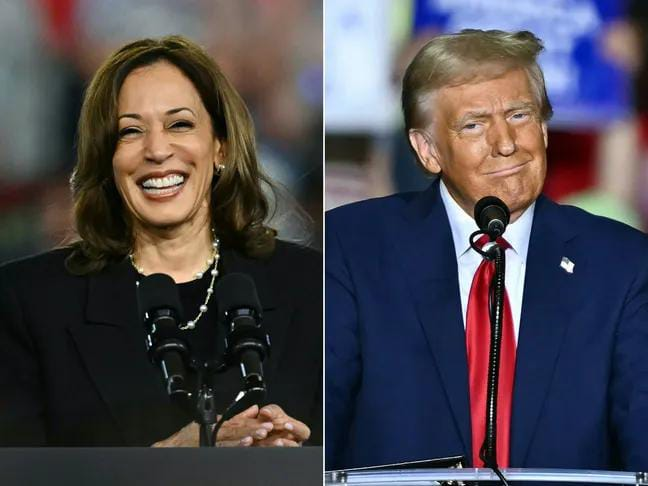
It’s a question that sparks strong opinions on both sides of the political spectrum: Would the country be better off if Kamala Harris were president instead of Donald Trump? For many Americans, the answer is yes—and their reasoning centers on leadership style, respect for democratic norms, and the role of the presidency in setting the nation’s tone.
The comparison between Kamala Harris and Donald Trump highlights two sharply different visions of governance.
Leadership Style and Stability
Supporters of Harris argue that she represents steadiness at a time when the country is exhausted by chaos. As vice president, Harris has emphasized institutional continuity, coalition-building, and measured rhetoric. Advocates believe that approach would translate into a presidency focused on governing rather than dominating the news cycle.
Trump’s critics, by contrast, point to his confrontational style, frequent personal attacks, and habit of turning every issue into a loyalty test. For many voters, that approach feels disruptive rather than decisive.
Respect for Democracy and the Rule of Law
One of the strongest arguments made by those who prefer Harris is her commitment to democratic norms. As a former prosecutor and senator, she has repeatedly framed the rule of law as non-negotiable.
Trump’s presidency—and his continued influence—has raised alarms among critics who believe his rhetoric around elections, courts, and the press undermines trust in democratic systems. For these Americans, the choice isn’t just about policy, but about preserving the foundations of democracy itself.
Competence vs. Constant Conflict
Harris supporters argue that a Harris presidency would prioritize competence: staffing agencies with experienced professionals, relying on expert guidance, and addressing crises without turning them into political spectacles.
Trump’s defenders see his approach as disruptive by design. But critics counter that constant conflict drains national focus and weakens the government’s ability to respond effectively to real challenges.
The Role of Tone in Leadership
Presidents don’t just make policy—they shape national mood. Harris is often described by supporters as disciplined and serious, someone who understands the symbolic weight of the office.
Trump’s language and behavior, critics say, normalize division and grievance, making it harder for the country to move forward together.
A Question of Values
Ultimately, the debate comes down to values:
- Should a president seek unity or thrive on division?
- Should leadership calm the public or constantly provoke it?
- Should the presidency reinforce democratic norms or challenge them?
For those who answer these questions in favor of stability, accountability, and respect for institutions, the belief that Kamala Harris would be doing a better job than Donald Trump feels not just plausible—but obvious.
Your Turn
This question isn’t just hypothetical—it reflects how Americans define leadership in a turbulent era. Whether one agrees or disagrees, the comparison reveals a deeper national conversation about what kind of president the country truly wants right now.

Leave a Reply