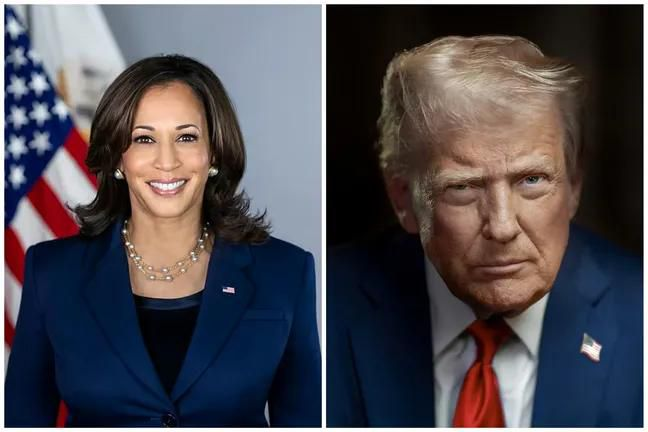
JUST IN: Kamala Harris Accuses Trump of Putting Oil Deals Above Democracy in Venezuela
In a sharply worded statement that is already sending ripples through Washington, Kamala Harris accused former President Donald Trump of sacrificing democratic principles and the rule of law in pursuit of oil interests and personal power on the global stage.
“This is not about drugs or democracy. It is about oil and Donald Trump’s desire to play the regional strongman,” Harris said.
“If he cared about either, he wouldn’t pardon a convicted drug trafficker or sideline Venezuela’s legitimate opposition while pursuing deals with Maduro’s cronies.”
Oil Over Principles?
Harris’s remarks cut to the core of a long-running controversy surrounding U.S. policy toward Venezuela, a nation with some of the world’s largest proven oil reserves but also one of the most severe political and humanitarian crises in the Western Hemisphere.
According to Harris, Trump’s actions reveal a consistent pattern: using foreign policy not to defend democracy or combat corruption, but to secure strategic advantages and bolster his image as a dominant power broker. She suggested that Venezuela’s vast oil wealth, rather than concern for democratic governance, has been the driving force behind these decisions.
The Pardon Controversy
Central to Harris’s criticism is Trump’s decision to pardon a convicted drug trafficker—an action she argues undermines claims that his Venezuela policy was rooted in fighting narcotics or corruption. Critics have long questioned how such pardons align with a tough-on-crime or anti-drug narrative, particularly when tied to foreign policy justifications.
Harris framed the pardon as emblematic of a broader hypocrisy: publicly condemning authoritarianism and criminal networks while privately empowering or excusing them when it suits political or economic goals.
Marginalizing the Opposition
Harris also accused Trump of sidelining Venezuela’s legitimate democratic opposition while seeking arrangements with figures close to Nicolás Maduro. For years, the United States officially recognized opposition leaders as the rightful representatives of the Venezuelan people, condemning Maduro’s government as illegitimate and authoritarian.
By suggesting Trump pursued deals with “Maduro’s cronies,” Harris implied that behind-the-scenes negotiations may have weakened the opposition’s leverage and credibility, effectively prolonging the very regime U.S. policy claimed to oppose.
A Broader Political Message
Beyond Venezuela, Harris’s statement is widely being interpreted as part of a broader argument about Trump’s approach to power and governance. She portrayed him as someone willing to bend laws, ignore democratic norms, and overlook human rights in order to project strength and secure lucrative outcomes.
“This is about values,” one senior Democratic aide said privately. “Do we stand for democracy consistently, or only when it’s convenient?”
What Comes Next
Harris’s comments are likely to intensify debate over U.S.–Venezuela policy and reignite scrutiny of Trump-era foreign decisions as the political climate heats up. Supporters of Trump are expected to push back, arguing that his approach was pragmatic and focused on American interests, while critics say those interests were narrowly defined and dangerously transactional.
For now, Harris has drawn a clear line: in her view, the issue is not drugs, not democracy—but oil, power, and a former president’s willingness to blur ethical boundaries to get both.

Leave a Reply