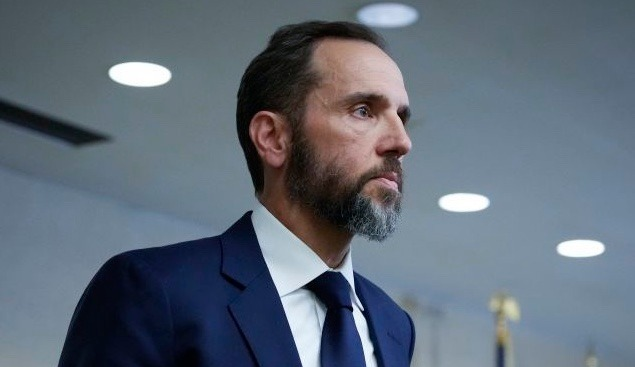
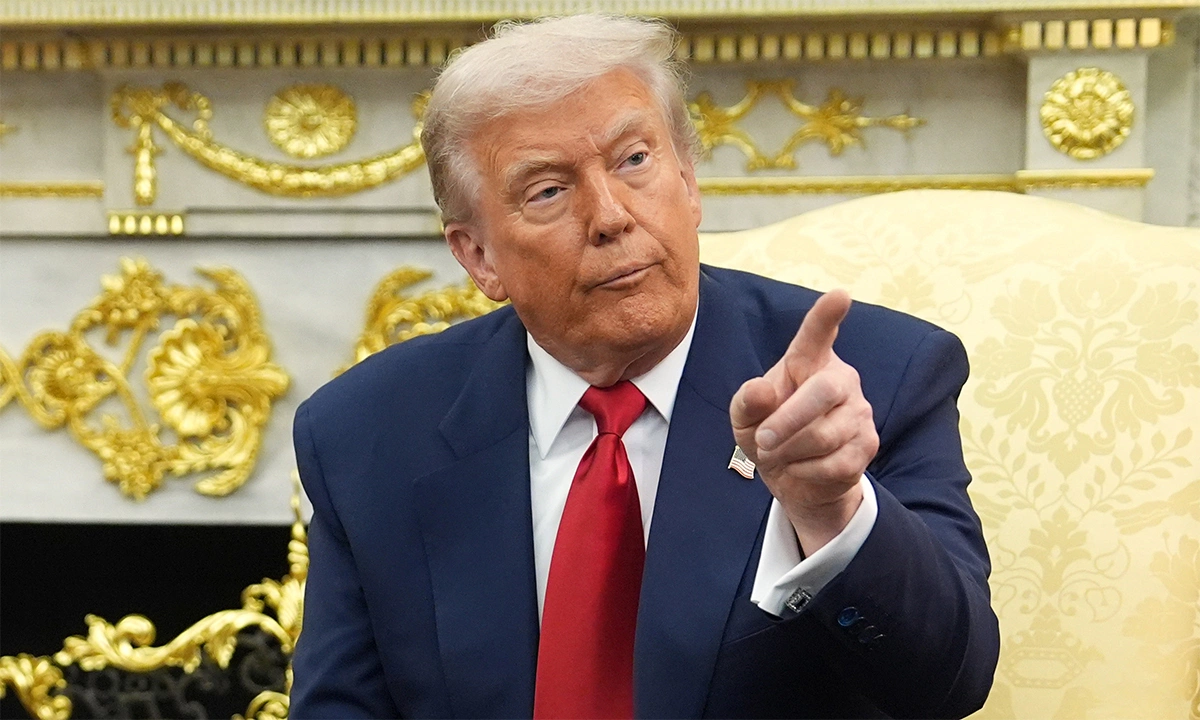
BREAKING: “BEYOND A REASONABLE DOUBT” — Jack Smith calmly destroys Trump’s “witch hunt” fantasy in testimony before Congress.
This morning, Jack Smith walked into the lion’s den of a Republican-controlled House Judiciary Committee meeting, and calmly laid out Trump’s crimes for the world to see.
Behind closed doors on Capitol Hill, former Special Prosecutor Jack Smith did what Republicans desperately hoped he wouldn’t: he methodically, unapologetically, and calmly reminded them why Donald Trump was charged in the first place — and why no amount of political revenge can erase the facts.
In an hours-long deposition before the Committee, the former special counsel made one thing crystal clear: Trump is responsible for Trump actions. Not Joe Biden. Not Democrats. Not the “deep state.” Just Trump.
“The decision to bring charges against President Trump was mine,” Smith told lawmakers, “but the basis for those charges rests entirely with President Trump and his actions.” Translation: if Trump didn’t want indictments, he shouldn’t have committed the crime (allegedly).
Smith didn’t hedge. He didn’t flinch. He said his team uncovered evidence proving “beyond a reasonable doubt” that Trump engaged in a criminal scheme to overturn the 2020 election and block the lawful transfer of power — a stunning reminder of just how close the country came to losing its democracy.
On the classified documents case, Smith said the evidence was “powerful” and that Trump “repeatedly tried to obstruct justice.” Not misplaced papers. Not a misunderstanding. Obstruction.
And for Republicans screaming “witch hunt,” Smith torched that talking point too. He said he would have brought the same charges if Trump were a Democrat or a Republican. Facts and law, not politics, guided the investigation — a concept that seems increasingly foreign to today’s GOP.
Smith also defended his team’s decision to seek phone records from Republican lawmakers, explaining that Trump and his allies were calling members of Congress to further their criminal scheme to delay certification. “I didn’t choose those Members,” Smith said. “President Trump did.”
That line alone should haunt every lawmaker in the room.
Meanwhile, Republicans are openly targeting Smith himself, cheering on an unprecedented retaliation campaign that has included sanctions against his law firm and calls for his prosecution — all because he dared to apply the law to a powerful man.
Smith wanted to testify publicly. Jim Jordan said no. Transparency is dangerous when the truth cuts this deep.
Rep. Jared Moskowitz (D-FL), a member of the House Judiciary Committee, called the deposition “boring,” but that’s because in Jack Smith’s hands the facts don’t scream — they indict.
Jack Smith walked into a hostile room knowing the hunters were circling. And instead of blinking, he calmly reminded them: the evidence speaks for itself.
We can only hope that Donald Trump will someday face justice for the crimes that the former Special Prosecutor so meticulously detailed. Whether that happens while he’s still alive, given his apparently dubious medical conditions, remains to be seen.
Please like and share to spread the truth about Trump’s crimes!
Late-Night Host Jimmy Kimmel delivered a blistering monologue criticizing former President Donald Trump over comments Trump made amid online controversy surrounding the reported killing of filmmaker Rob Reiner.
During his show, Kimmel condemned what he described as cruel and inflammatory rhetoric, warning viewers about the consequences of normalizing such language from political leaders.
“That corroded brain is in charge of our lives,” Kimmel said, urging Americans to reflect on the kind of leadership they support.
He added that voters should feel free to reconsider their choices if they are uncomfortable with the tone and conduct being displayed.
Kimmel also spoke personally about Reiner, saying that based on his own interactions with the filmmaker, Reiner would have wanted the public to continue calling out what Kimmel labeled “loathsome atrocities” in political discourse.
The host argued that silence only enables behavior that undermines basic decency and accountability.
The monologue quickly went viral, amplifying criticism of Trump’s remarks and reigniting debate over the boundaries of political rhetoric, especially when tragedy is involved.
While backlash has largely come from Trump’s critics, Kimmel’s comments appeared to resonate beyond the usual lines, with some viewers saying the moment felt like a turning point.
As reactions continue to spread online, the controversy is adding fresh pressure on political figures and media personalities alike to confront how far is too far — and whether repeated outrage is finally beginning to change minds.
BREAKING: GOP CRACKS OPEN AS REPUBLICANS DEFY TRUMP TO FORCE ACA VOTE
In a dramatic floor revolt that sent shockwaves through Washington, four House Republicans broke ranks with Donald Trump’s wing of the party and joined Democrats to force a vote on extending Affordable Care Act subsidies set to expire at the end of the year. The stunning move shattered GOP unity and ignited a fresh power struggle inside Trump’s Republican Party.
Reps. Mike Lawler (NY), Brian Fitzpatrick (PA), Ryan Bresnahan (PA), and Jen Kiggans (VA) crossed party lines to reach the critical 218 votes, triggering a procedural maneuver that leadership tried—and failed—to stop. The vote all but guarantees a public showdown over subsidies that help millions of Americans afford health insurance, a policy Trump allies have long targeted for expiration.
The rebellion lands at a politically explosive moment. Trump has been pressuring Republicans to fall in line ahead of a high-stakes election year, pushing party discipline as a test of loyalty. But this vote exposed deep fractures between pragmatic Republicans in swing districts and hardline Trump loyalists who view any extension of ACA-related benefits as ideological surrender.
Behind the scenes, GOP insiders describe fury inside Trump-world, with whispers of primary challenges, donor retaliation, and public shaming campaigns already circulating. For the four Republicans who defected, the calculation was clear: letting subsidies expire could mean skyrocketing premiums back home—and potential political suicide. Still, defying Trump comes with a price few Republicans are willing to pay.
Democrats quickly seized on the moment, framing the vote as proof that even Republicans are breaking away from Trump’s agenda when real-world consequences hit. “This is about protecting families,” one senior Democrat said, “not bowing to political threats.”
What happens next could reshape the internal balance of power in the House. If the ACA subsidies are extended, it would mark a rare legislative defeat for Trump’s influence over the GOP—and embolden other Republicans quietly uneasy with his grip on the party. If the backlash succeeds, it could serve as a warning shot to anyone considering crossin
Maria Teresa Kumar Praises Barack Obama’s “Time of Unity,” Draws Sharp Contrast With Republican “Hate”
Maria Teresa Kumar, a longtime civic engagement advocate and president of Voto Latino, recently spoke out in praise of former President Barack Obama, describing his presidency as a “time of unity” that brought Americans together during moments of national challenge. Her remarks drew a pointed contrast with what she characterized as a climate of “hate” she says is now being fueled by Republican Party leaders.
Speaking in a recent interview, Kumar reflected on Obama’s leadership style, emphasizing his consistent calls for inclusion, empathy, and respect across political, racial, and cultural lines. According to Kumar, Obama’s approach helped foster dialogue rather than division, even amid fierce political disagreements.
“There was a sense that we were moving forward together,” Kumar said, noting that Obama often appealed to shared values and common purpose rather than exploiting fear or resentment.
Kumar contrasted that period with what she described as a growing pattern of rhetoric from Republicans that she believes relies on anger, scapegoating, and cultural division. She argued that such messaging has deepened polarization and weakened trust in democratic institutions.
Her comments come at a time when political tensions remain high nationwide, with debates over immigration, voting rights, and social justice dominating headlines. Kumar warned that language rooted in hostility can have real-world consequences, particularly for marginalized communities.
At the same time, she urged Americans not to lose sight of the possibility of unity, pointing to Obama’s presidency as proof that leadership grounded in respect and optimism can still resonate with a broad coalition of voters.
Kumar concluded by encouraging civic participation and thoughtful engagement, saying that unity does not mean uniformity—but rather a willingness to disagree without dehumanizing one another.
As the country moves toward another pivotal election cycle, her remarks highlight a broader debate about the tone, values, and direction of American political leadership—and whether the nation can reclaim a sense of shared purpose in an increasingly divided era.
Barbra Streisand has finally broken her silence following Robert Redford’s death at 89, sharing heartfelt reflections on their legendary on-screen chemistry, his extraordinary life and humanitarian legacy, and the profound personal loss she feels, offering fans both closure and a rare glimpse into Hollywood’s private emotions.
When Robert Redford passed away at the age of 89 in September 2025, the news reverberated across Hollywood and beyond.
Known for his iconic roles in Butch Cassidy and the Sundance Kid, The Sting, and The Natural, as well as his groundbreaking work founding the Sundance Film Festival, Redford was more than a Hollywood legend; he was a symbol of charm, artistry, and activism.
But for Barbra Streisand, the loss hit on a profoundly personal level.
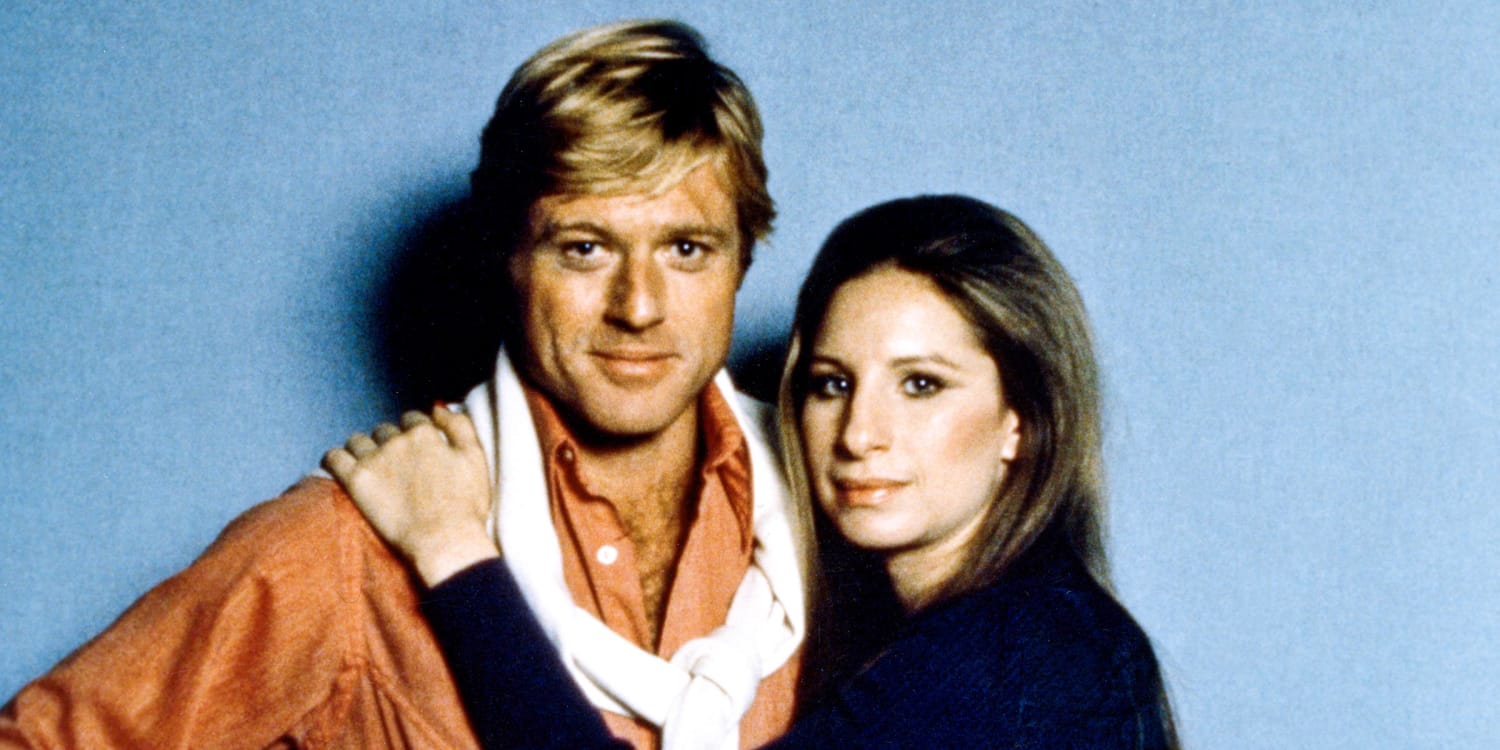
Streisand, who shared the screen with Redford in 1973’s The Way We Were, was at the center of speculation for days.
Their on-screen chemistry in the romantic drama had long fueled rumors of a real-life romance, and fans were desperate to hear her thoughts after the sudden passing of her co-star and rumored confidant.
Streisand remained silent initially, fueling intense media and public curiosity, with outlets across the country speculating on her feelings and possible statements.
Finally, in an emotional statement released this past Thursday, Streisand opened up about her grief.
“Robert was a kind, brilliant, and deeply generous soul,” she said.
“Working with him on The Way We Were was one of the greatest experiences of my life.
We laughed, we shared, we created magic.
Losing him leaves a space that cannot be filled.
” Her words, both tender and poignant, offered a rare glimpse into the private side of one of Hollywood’s most scrutinized stars.
Behind the cameras in 1973, Redford and Streisand were said to have developed a close bond.
Sources close to the set recall that the two spent long hours discussing everything from character motivations to their shared love of classical music and philanthropy.
“They were inseparable on set,” one former crew member told reporters.
“The energy was electric, not just on screen, but off screen as well.
People genuinely thought they were in love.
” Although neither actor publicly confirmed a romantic relationship, the speculation persisted for decades, adding layers of intrigue to their legendary performances.
Streisand’s statement also referenced Redford’s humanitarian and environmental work, showing her admiration extended far beyond their shared film projects.
“His commitment to the world went beyond acting,” she noted.
“Through the Sundance Film Festival, environmental activism, and countless acts of quiet generosity, Robert lived a life that inspired millions.
He reminded us that art can change the world.”
Hollywood insiders noted that Streisand’s initial silence may have been a conscious decision to process her emotions privately before addressing the public.
“Barbra never speaks lightly, especially about someone she cared for,” said a close friend.
“She wanted her words to honor Robert properly, not just react to the media frenzy.”
Fans responded immediately to Streisand’s heartfelt words on social media, with thousands sharing memories of the couple’s unforgettable performances and reflecting on Redford’s enduring legacy.
Clips of The Way We Were and behind-the-scenes photos quickly trended, and online forums buzzed with admiration for both stars’ professionalism, talent, and the mysterious, captivating chemistry that seemed to transcend the screen.
In addition to her public tribute, Streisand reportedly reached out personally to Redford’s family, expressing condolences and sharing memories from their time together.
According to sources, she spoke at length with Redford’s widow, Lola Van Wagenen, recounting private stories from set that highlighted not only Redford’s talent but his warmth, humor, and integrity.
The passing of Robert Redford has ignited a wave of retrospectives, tributes, and documentaries, all highlighting the man who defined an era of Hollywood cinema.
Yet Streisand’s words stand out, not just as a formal acknowledgment, but as a candid, deeply personal reflection on loss, friendship, and the lasting impact of creative partnerships.
As the entertainment world continues to mourn, Streisand’s statement serves as a reminder of the human side of celebrity—the relationships, emotions, and quiet bonds that often remain hidden behind the glamour.
For fans of both Streisand and Redford, her words offer closure, a testament to the enduring power of connection, and a window into a shared history that helped shape some of the most beloved films in cinematic history.
With tributes continuing to pour in from fellow actors, directors, and fans worldwide, the legacy of Robert Redford is being celebrated in full, and Streisand’s emotional tribute ensures that the personal stories behind the legend are not forgotten, leaving an indelible mark on Hollywood and the hearts of millions who cherished his life and work.
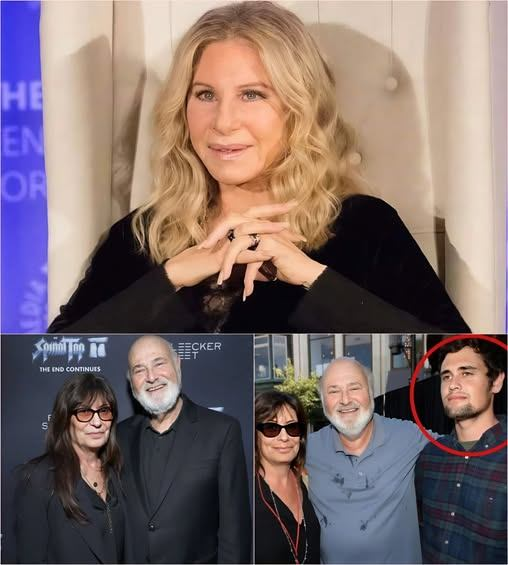
Over the weekend, Hollywood lost two of its most beloved figures, Rob and Michele Reiner. The news shook the entertainment industry and beyond, as the public mourned the passing of this incredible couple. While the media quickly jumped to report their tragic end, one voice cut through the noise—the voice of Barbra Streisand. A lifelong friend of the Reiners, Streisand’s tribute to the couple wasn’t just an expression of grief; it was a call for deeper understanding.
Streisand’s words were raw and emotional, challenging the media’s portrayal of the tragedy and insisting on a more compassionate narrative. She urged the public to focus not just on the sensational aspects of the Reiners’ lives, but on the profound love and sacrifice that defined their relationship and family. In a world where celebrity lives are often reduced to headlines, Barbra Streisand’s plea to honor Rob and Michele’s legacy as parents and human beings was a powerful reminder of the importance of empathy and respect.
In this blog post, we’ll explore Streisand’s tribute in detail, unpack the complex emotions surrounding the Reiners’ loss, and reflect on the broader implications for how we view celebrity tragedies and the media’s role in shaping those perceptions.
The Struggle of a Family: Love, Sacrifice, and the Pain of Parenthood
When Barbra Streisand stood before the crowd, her voice was not only heavy with grief but also with righteous anger. She called out the media’s tendency to sensationalize family tragedies, particularly those involving celebrities. Streisand refused to let Rob and Michele Reiner’s story be reduced to a tragic headline about addiction, mental health, or personal loss. She recognized the deeper, more painful truth: Rob and Michele had fought for their family. They had done everything they could to save their son, Nick, and ultimately, it was this very love and dedication that led to their heartbreaking loss.
Barbra’s words made it clear: the Reiners’ battle was not simply one of survival but of deep, unconditional love. Despite the fame, the wealth, and the success they enjoyed in the entertainment industry, the Reiners were like any other parents. They faced the same heart-wrenching struggles as millions of other parents do—trying to protect their child, hoping to see them live a full life, and ultimately sacrificing their own well-being in the process. Their journey was one filled with love, exhaustion, and, in the end, devastating loss.
The Reiners’ story was not one of glorified Hollywood tragedy but of real, raw emotion that transcends the superficial narratives often told about famous families. Streisand emphasized that the public should not be quick to jump to conclusions or romanticize the pain of celebrities. Instead, we should honor the sacrifices made by these parents—people who loved their children fiercely, regardless of the obstacles they faced.
The Media’s Role: Sensationalism vs. Humanity
The media is often quick to sensationalize celebrity tragedies. It’s no secret that public figures, especially those as well-known as Rob and Michele Reiner, become the subject of intense scrutiny during moments of hardship. In this case, the media rushed to cover the emotional and psychological struggles of their son, Nick Reiner, as well as their family’s ongoing battle with addiction and mental health issues. However, Barbra Streisand forcefully called for the public to look beyond the headlines and recognize the emotional toll that such tragedies take on the parents involved.
Barbra’s criticism of the media was not just about what they reported, but how they reported it. The narrative surrounding the Reiners was often focused on the struggles, the addiction, and the pain that they endured as a family. While these elements are undoubtedly part of their story, Streisand argued that they were not the defining aspects of their lives. Instead, it was the unwavering love and sacrifice they showed each other that should have been the focus.
In her tribute, Streisand asked a poignant question: “Who will weep for the people who dedicated their entire lives to healing a family, only to receive this ultimate devastation in return?” This is the central truth that Streisand wanted the world to recognize: the true sacrifice of Rob and Michele Reiner was not in their struggles but in the love they gave to their son, to each other, and to everyone around them.
The Price of Fame: Why Celebrity Isn’t Immunity to Pain
Barbra Streisand’s speech also addressed a broader issue—the price of fame. While celebrities like Rob and Michele Reiner may seem untouchable, living lives of luxury and public adoration, they are just as vulnerable to the pain, grief, and loss that anyone else can experience. The notion that fame somehow protects you from the world’s harshest realities is a fallacy.
In fact, for Rob and Michele, fame only amplified their struggles. The public’s fascination with their private lives meant that every hardship, every challenge, was laid bare for everyone to see. Streisand’s speech reminded us that the price of fame is often paid in private heartaches—heartaches that are made more difficult by the ever-present glare of public attention.
The reality is that celebrities, despite their wealth and influence, are human beings. They experience the same trials and tribulations as any other parent, spouse, or child. They struggle with loss, with pain, with grief—and they must do so under the microscope of public scrutiny. In their case, the media’s tendency to sensationalize their family’s challenges only added to the burden they carried. Streisand’s words challenged us to rethink how we perceive the pain of public figures, urging us to remember their humanity and the deep emotional struggles they face behind closed doors.
A Legacy of Love: What We Should Remember About Rob and Michele Reiner
In the face of such a tragic loss, it would be easy to focus solely on the circumstances of their death—the addiction, the mental health battles, the family dysfunction. However, Barbra Streisand’s tribute aimed to shift the focus to the love that Rob and Michele Reiner shared throughout their lives. The Reiners were not just victims of tragedy; they were loving parents, devoted spouses, and caring friends who gave everything for their family.
Streisand made it clear that we should remember the Reiners not for the way they died, but for the way they lived. Their love for each other and for their son, Nick, was evident in everything they did. They fought tirelessly for their family’s well-being, even when faced with seemingly insurmountable obstacles. Streisand urged us to remember their legacy as a testament to the strength of the human spirit, and to honor their memory by acknowledging the sacrifices they made, not just as public figures but as parents and individuals.
Rob and Michele’s legacy is one of love, sacrifice, and resilience. Their story is not one of defeat, but of dedication to family, to each other, and to the life they tried so hard to create. Streisand’s call to focus on this legacy, rather than the tragic circumstances of their death, is a reminder that every life—celebrity or not—deserves to be remembered for the love they give to the world.
Hollywood and The Heart Behind the Stars: The Impact of Rob and Michele Reiner’s Loss
The passing of Rob and Michele Reiner was not only a personal loss for their family but also for the wider Hollywood community. While both were well-known public figures, their most significant contributions were often made quietly behind the scenes. Rob Reiner, renowned as both an actor and director, was a passionate advocate for social causes, particularly in the fields of education and child welfare. Michele, his wife, supported him in every step of his journey, not just as a partner but as a constant source of strength for both their family and their friends.
Though their loss is deeply felt in the entertainment industry, it is in their absence that we begin to understand just how much they gave—not just through their work, but through their love and care for others. In the wake of their death, many of Rob and Michele’s colleagues and friends have shared their gratitude for the couple’s genuine kindness, which extended far beyond their careers in film. The Reiners had a rare ability to make everyone feel like family, and that is what will be remembered most.
As Barbra Streisand noted, their loss extends beyond the realm of fame. It reaches into the hearts of everyone who knew them, showing that true legacies are not just about public achievements, but about the quiet, everyday actions that change lives.
Sacrifice in the Family: A Journey Defined by Love and Dedication
One of the most admirable qualities of Rob and Michele was their unwavering commitment to their family. While many people talk about family sacrifices, for Rob and Michele, sacrifice was not a concept but a daily action—a series of decisions made with their son, Nick, at the forefront of their minds. Despite facing overwhelming personal challenges, including Nick’s ongoing health struggles, they never gave up.
Their devotion to their family was evident in everything they did. The Reiners were a model of parental love, constantly fighting to protect their child, offering him every ounce of care and support, even when it seemed like the battle was unwinnable. For them, family was not just an idea; it was their foundation.
In a world where many focus on fame and success, the Reiners’ story is a reminder that true fulfillment comes not from accolades or recognition but from the love we give to those closest to us. Barbra Streisand’s tribute serves as a powerful reminder that the sacrifices we make for those we love are the true measure of a life well-lived.
The Reiner Legacy: More Than Fame, It’s About Family and Sacrifice
What Barbra Streisand wanted the world to understand was that Rob and Michele’s legacy is far more significant than any film they made or any accolade they received. The true impact of their lives lies in the love they gave to each other, to their children, and to the countless people they touched along the way.
Streisand’s plea was for us to remember them as devoted parents who gave everything for their family. Rather than focusing on the tragedy of their death, she urged us to celebrate the beauty of their lives—a life defined by their unwavering commitment to their loved ones.
In Hollywood, it’s easy to get caught up in the glitz and glamour. But behind every celebrity is a person who, like anyone else, navigates the complexities of life, struggles with loss, and faces heartache. The Reiners, though famous, were just like any other parents doing their best to navigate the challenges of raising a family in a world that often seemed against them.
Their story is not one of defeat but of dedication. Rob and Michele Reiner exemplify the true meaning of family, showing that love is not just about the good times but about enduring the tough times together.
The Price of Fame: Understanding the Human Cost Behind Celebrity Tragedy
Fame often comes with a price, and for Rob and Michele, that price was paid in public scrutiny. While their lives were often under the media’s watchful eye, the Reiners experienced the same painful realities as any family—loss, fear, and the emotional toll of trying to save a loved one.
Barbra Streisand’s tribute highlighted a crucial point: fame does not shield people from pain. Celebrities may seem untouchable to the public, but the truth is that they, too, face the same human struggles that all of us do.
When tragedy strikes in the public eye, the media often rushes to sensationalize the story, turning it into a spectacle. In the case of the Reiners, the narrative quickly became focused on the personal struggles of their son, Nick. While these struggles were undeniably a part of their story, Streisand emphasized that the real story was the love and sacrifice that Rob and Michele showed as parents.
It’s important to remember that behind every headline is a human being—a parent, a child, a spouse—dealing with the complexities of life. The media may portray the highs and lows of fame, but it is the quiet moments of love and sacrifice that ultimately define a person’s legacy.
Compassion Beyond the Headlines: The True Story of Rob and Michele Reiner
Barbra Streisand’s call for compassion was not just about the Reiners—it was a call for all of us to rethink how we view tragedies in the public eye. In an era where media consumption is often focused on scandal and sensationalism, Streisand reminded us that there is more to every story than what meets the eye.
The loss of Rob and Michele Reiner is a tragedy, but it is also a story of love, resilience, and unwavering dedication. While the world may try to categorize their struggles as a typical celebrity tragedy, Streisand’s tribute reminded us that the Reiners were more than that—they were human beings whose love for their family transcended everything else.
Let us remember Rob and Michele Reiner not for the tragedy of their passing, but for the love and light they brought to this world. Their legacy is one of sacrifice, kindness, and a reminder that true family values should always come first.
Final Thoughts: A Call for Compassion and Understanding
Barbra Streisand’s tribute to Rob and Michele Reiner is a powerful reminder of the importance of compassion, empathy, and respect. In a world where celebrity tragedies are often reduced to gossip and sensational headlines, Streisand’s speech calls for a deeper, more thoughtful approach. The Reiners’ story is not one of Hollywood drama—it is a story of love, sacrifice, and the unbreakable bond between parents and their children.
As we reflect on the lives of Rob and Michele Reiner, let us remember them for the love they gave, not just the struggles they faced. Their story is a reminder that behind every public tragedy is a deeply personal journey, one that deserves to be honored and respected. It is a call for us all to recognize the humanity in those we admire, and to remember that, no matter how famous or accomplished they may be, they are still subject to the same pains and losses as anyone else.
In a stunning turn of events that has now exploded far beyond the football world, Denver Broncos quarterback Bo Nix has released a powerful video statement addressing the controversy that erupted earlier this week when a sideline reporter revealed she was called a “little pig” by a political figure’s supporter during a game-day media scrum. The incident quickly ignited national debate, drawing reactions from athletes, celebrities, and even former U.S. President Donald Trump. But it was Nix’s bold and emotional response that sent shockwaves across the NFL.
The controversy began when Angela Morris, a respected Broncos beat reporter, detailed on social media that she had been ridiculed and insulted during a chaotic postgame tunnel scene. According to Morris, a man wearing political apparel made the comment directly to her while she attempted to conduct interviews. Her post went viral within hours, drawing widespread condemnation from fans and media professionals who called it another example of the escalating hostility female reporters face in sports.
The situation escalated further when reporters asked Trump about the incident during an unrelated press stop. He reportedly shrugged off the story, suggested people were “too sensitive these days,” and questioned whether the comment was “even a big deal.” His reaction triggered immediate backlash online — and that’s when Bo Nix stepped forward.
On Thursday morning, Nix posted a two-minute video filmed from the Broncos practice facility. Calm yet visibly upset, the rookie quarterback delivered what many now consider to be the strongest stance any NFL player has taken on the incident.
“There’s no place in football — or anywhere — for calling a woman ‘a little pig,’” Nix said. “Angela is a professional. She’s here to do her job, and she deserves the same respect anyone else gets in this environment. When someone targets her with insults, that’s not just disrespectful. It’s embarrassing for all of us.”
He continued, speaking directly to his fans and the nation: “I don’t care who you support politically. I don’t care what team you root for. If you think humiliating a woman makes you strong, you’re wrong. Real strength is treating people with dignity.”
Within minutes, the video had amassed hundreds of thousands of views across X, TikTok, and Instagram. Major NFL figures — from retired legends to current superstars — reposted it with messages of support. Several female reporters thanked Nix for using his platform to defend them, noting that harassment and derogatory comments are “far more common than fans realize.”
Broncos head coach Sean Payton praised Nix during his afternoon press availability. “Bo is mature beyond his years,” Payton said. “He stood up for someone who needed someone to stand up for her. That’s leadership. That’s exactly who he is.”
Meanwhile, political commentators jumped into the conversation, debating whether Nix’s message subtly rebuked Trump’s dismissive remarks. Though Nix never mentioned Trump by name, his emphasis on respecting women and refusing to normalize verbal abuse was widely interpreted as a direct contradiction of the former president’s stance.
Social media erupted again on Thursday night, with the hashtag #StandWithAngela climbing to the top of national trending lists. Fans posted messages praising Nix for “showing more courage in two minutes than most public figures show in years,” while others debated whether athletes should involve themselves in political or cultural disputes.
As for Angela Morris, she responded briefly on X, writing: “Thank you, Bo. That meant more than you know.”
With the Broncos preparing for a crucial Week 12 matchup, the franchise now finds itself at the center of a nationwide conversation — one that touches on sports, politics, gender respect, and the responsibility that comes with celebrity influence.
One thing is certain: Bo Nix’s message has resonated far beyond the gridiron, and the ripple effects of his words are only just beginning.
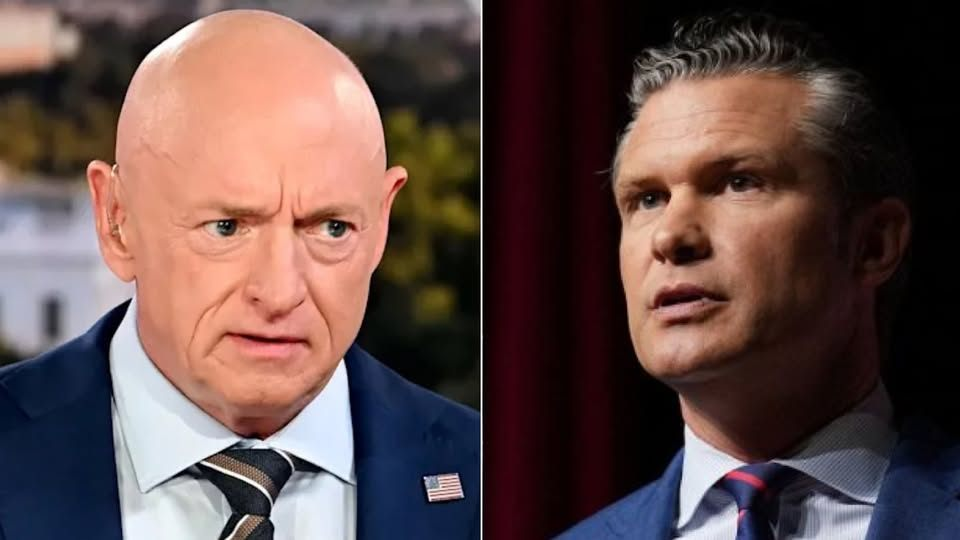
BREAKING: PENTAGON MELTDOWN! Pete Hegseth explodes at veteran senator after being pressed on deadly Caribbean strikes.
The cracks inside Trump’s national security team are no longer hidden behind closed doors.
During a classified briefing this week, Defense Secretary Pete Hegseth reportedly got into a heated argument with Sen. Mark Kelly — a decorated Navy combat veteran and former astronaut — after Kelly dared to ask questions about the administration’s lethal boat strikes in the Caribbean off the coast of Venezuela.
Yes, asked questions, just as his job as Senator required.
According to multiple reporters, Kelly, seated in the front row, pressed officials about the ongoing military operations — strikes that legal experts have warned could amount to war crimes if civilians were targeted without proper justification or oversight.
Hegseth never answered the question. Instead, he lashed out.
Rather than addressing the substance of the strikes, Hegseth reportedly pivoted to attacking Kelly over a video the senator made with other Democratic veterans, warning active-duty service members not to follow unlawful orders — a basic principle drilled into every U.S. soldier since Nuremberg.
Kelly interrupted, making clear his question had nothing to do with the video. That’s when the exchange reportedly turned fiery, with witnesses describing an unusually tense confrontation inside the classified briefing room.
Meaning that when confronted with accountability, Hegseth went personal.
And it gets worse.
Hegseth’s Pentagon is currently investigating Kelly — a sitting U.S. senator and veteran — for that very video, a move Kelly’s legal team is now calling blatantly political and illegal. On Monday, Kelly’s attorney fired off a warning letter to the Department of Defense, signaling the senator is prepared to take legal action to stop what they describe as a retaliatory probe.
Let that sink in — the Trump administration is investigating a combat veteran senator for reminding troops to obey the law, while the defense secretary dodges questions about potentially unlawful killings.
The boat strikes themselves have already sparked alarm among lawmakers and military observers, with concerns about civilian casualties, murky rules of engagement, and whether proper oversight was ever in place. Instead of transparency, the response has been intimidation and deflection.
This wasn’t a policy disagreement. It was a stress fracture.
When a defense secretary can’t handle questions from a veteran senator without erupting — and resorts to weaponizing investigations instead — it sends a chilling message about how dissent is treated under Trump’s Pentagon.
Mark Kelly asked the right question, but Pete Hegseth provided the wrong answer — and proved exactly why Congress is worried.
A DEFYING MOMENT IN COURT ENDS A PRIVILEGED ILLUSION — JUDGE HANDS DOWN MAXIMUM SENTENCE AFTER SHOCKING OUTBURST
What was expected to be a routine sentencing hearing in a downtown courtroom abruptly transformed into a defining moment about power, privilege, and the limits of judicial patience.
The defendant, a young woman in her early twenties and the daughter of a prominent technology executive, appeared before the court on charges related to driving under the influence and reckless driving. Prosecutors and defense attorneys alike anticipated a straightforward proceeding: acceptance of a negotiated plea agreement, a reduced sentence, and a quiet exit from the public eye.
Instead, the courtroom witnessed a stunning reversal.
According to multiple observers present at the hearing, the tone shifted the moment the judge invited the defendant to address the court. Rather than expressing remorse or acknowledging responsibility, she reportedly rolled her eyes, laughed, and dismissed the charges as inconsequential.
“You can’t touch me,” she said, according to witnesses. “My dad owns half this town.”
The comment landed with audible shock. Several people in the gallery gasped. Others fell into a stunned silence. Court officers stiffened. Even members of the defense team appeared momentarily frozen.
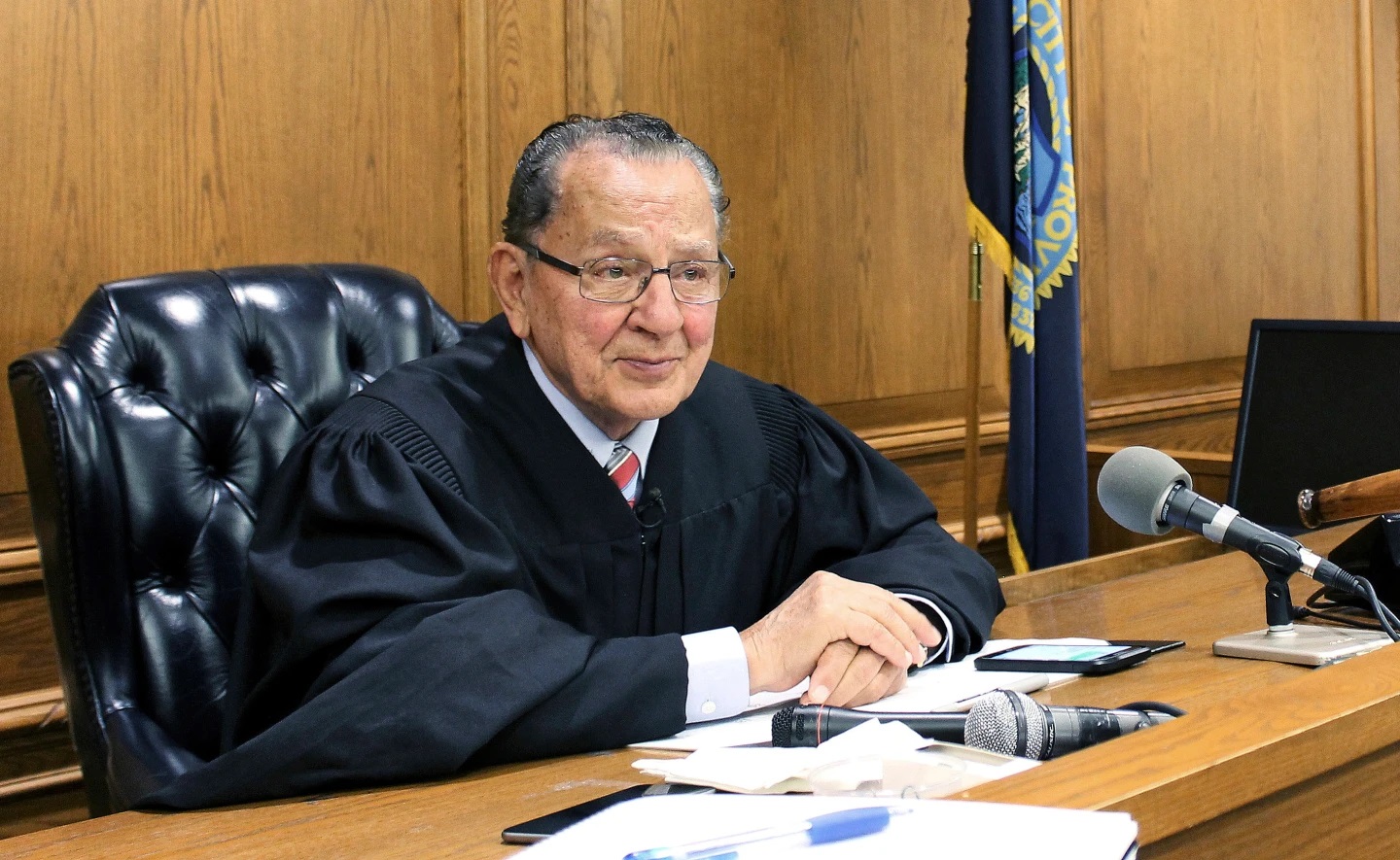
The judge, a veteran jurist known for a measured demeanor, paused. Then, without raising his voice, he delivered a response that would immediately alter the course of the case.
In a calm but unmistakably firm statement, the judge informed the defendant that her remarks demonstrated a complete lack of respect for the court and a fundamental misunderstanding of the justice system. He then revoked the previously agreed-upon plea deal, citing her conduct and apparent refusal to accept accountability.
What followed unfolded swiftly.
The judge imposed the maximum sentence allowed under the law for the charges at issue, including multiple years of incarceration, substantial financial penalties, and a lengthy suspension of driving privileges. Deputies were instructed to take the defendant into custody immediately.
Witnesses described the scene as chaotic. The defendant reportedly stood motionless for several seconds, visibly stunned, before her attorneys rushed to object. Their protests were cut short as court officers moved forward, placed her in handcuffs, and escorted her from the courtroom.
“It was one of the most dramatic turns I’ve ever seen in a sentencing,” said one courtroom observer. “The power dynamic flipped instantly.”
Legal analysts later noted that while judges rarely revoke plea agreements on the spot, they retain broad discretion when a defendant’s behavior demonstrates contempt for the court or undermines the integrity of the proceedings.
“This wasn’t about punishing speech,” said a former prosecutor familiar with courtroom procedure. “It was about assessing character, credibility, and the likelihood of rehabilitation. Her own words did the damage.”
The defendant’s family, including representatives for her father’s company, declined to comment in this fictional scenario. Court filings indicate that the judge referenced the principle that justice must be applied evenly, regardless of wealth, influence, or family connections.
Outside the courthouse, reaction was swift. Video clips taken by spectators circulated rapidly on social media, where many framed the moment as a rare and overdue rebuke of elite entitlement. Others cautioned against celebrating harsh punishment, arguing that sentencing should remain dispassionate rather than reactive.
But among those present in the courtroom, the prevailing sentiment was that the ruling transcended the individual case.
“It felt like a message,” said one attendee. “Not just to her — but to anyone who walks into a courtroom thinking the rules don’t apply.”
Judicial experts emphasized that demeanor during sentencing matters deeply. Courts often view expressions of remorse, accountability, and respect as indicators of whether a defendant is likely to reoffend. Conversely, open defiance can weigh heavily against leniency.
In this imagined case, the judge reportedly closed the hearing with a simple statement: “This court does not recognize inherited immunity.”
As deputies led the defendant away, the courtroom remained silent — not in chaos, but in recognition that a long-assumed shield of privilege had cracked in full public view.
Whether the sentence will be appealed remains unknown. What is clear is that the hearing, intended to be procedural, became a defining example of how quickly entitlement can unravel when confronted by the unyielding structure of the law.
Further proceedings are expected as defense counsel considers post-sentencing motions.
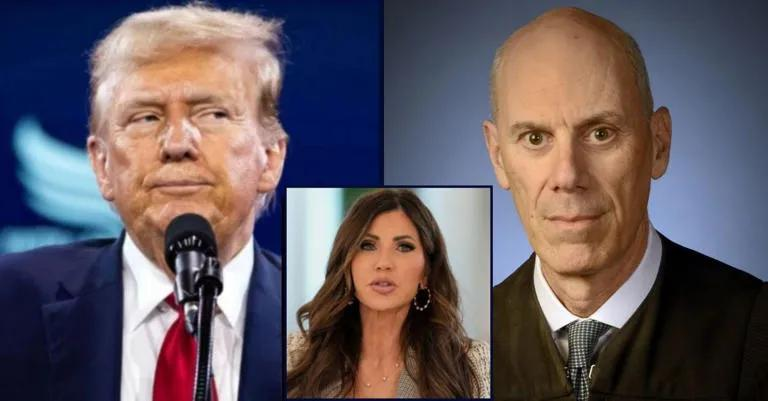
JUST IN: Despite Kristi Noem’s begging, Judge Boasberg won’t back off his planned criminal contempt hearings. Even worse for Kristi, he says the crime-fraud exception would overcome any potential claims of privilege.
No Escape Hatch: Why Privilege Claims May Collapse for Kristi Noem” This just got serious. Judge Boasberg says the crime-fraud exception could override privilege claims — a devastating blow to Noem’s legal strategy. No body is above the law….full details
**No Escape Hatch: Why Privilege Claims May Collapse for Kristi Noem**
In a tense turn in a high-profile legal dispute, U.S. District Judge James Boasberg has signaled that he intends to proceed with planned criminal contempt hearings despite objections from attorneys for South Dakota Governor Kristi Noem. According to court proceedings, the judge declined requests to delay or narrow the hearings and emphasized that claims of attorney-client privilege may not shield evidence if the **crime-fraud exception** is found to apply.
The crime-fraud exception is a well-established legal doctrine. While attorney-client privilege protects confidential communications made for legitimate legal advice, it does **not** apply when those communications are used to further or conceal a crime or fraud. Judge Boasberg noted that, if the court determines the exception is triggered, otherwise privileged materials could be reviewed and potentially used as evidence.
For Noem’s legal team, this represents a significant risk. Privilege claims are often a central defense strategy in contempt matters, particularly where the dispute involves compliance with court orders or the handling of sensitive documents. The judge’s comments suggest that the court is prepared to look beyond labels and examine the substance of the conduct at issue.
Importantly, the court has **not** made any final findings of wrongdoing. Criminal contempt hearings are designed to determine whether a court order was willfully violated and, if so, whether penalties are warranted. The standard is high, and due process protections remain firmly in place.
Still, the message from the bench was unmistakable: no individual, regardless of office or influence, is automatically insulated from judicial scrutiny. As the hearings move forward, the outcome may hinge on whether prosecutors can make the preliminary showing required to invoke the crime-fraud exception—and whether the evidence supports contempt beyond a reasonable doubt.
For now, the case underscores a broader principle of the legal system: privilege is powerful, but it is not absolute, and the courts retain the final say.