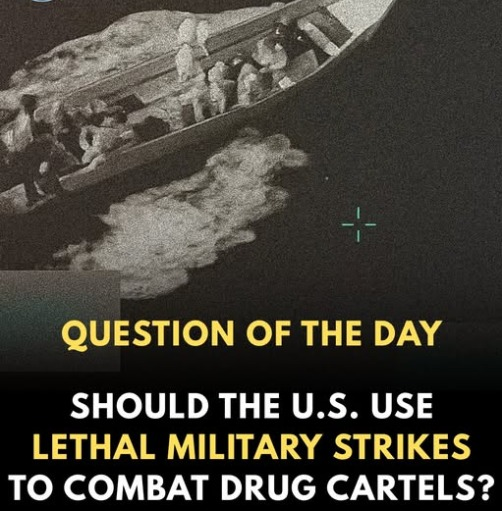
In recent years, the United States has been faced with an escalating crisis fueled by drug cartels that wreak havoc on American communities. The powerful narcotics trade has resulted in hundreds of thousands of deaths due to overdoses, gang violence, and other associated crimes. President Trump, during his tenure, advocated for bold measures to curb the influence of these criminal organizations. One such approach was the use of lethal military strikes to target cartel vessels in international waters. This policy raised numerous questions regarding its effectiveness, ethics, and long-term consequences.
This article delves into the debate surrounding the use of military force against drug cartels, particularly lethal strikes on cartel operations in the Caribbean and Pacific regions. It explores the necessity of such measures, the potential risks, and whether this strategy is a sustainable solution to the ongoing drug crisis in the United States.
The Growing Threat of Drug Cartels
Drug cartels have long been a menace to society, especially in the United States, where the demand for illegal narcotics has fueled a multi-billion dollar underground industry. These cartels are responsible for the trafficking of cocaine, heroin, methamphetamines, and fentanyl, substances that have flooded U.S. streets and led to devastating consequences.
Overdose deaths in the U.S. have reached alarming levels, particularly due to fentanyl, a synthetic opioid that is 50 to 100 times more potent than morphine. In 2020 alone, nearly 93,000 Americans died from drug overdoses, with a significant portion attributed to opioids. Much of this illicit drug trade is controlled by ruthless organizations operating primarily from Mexico, Colombia, and other countries.

These cartels are not just business operations—they are well-armed criminal enterprises with significant power. They employ military-grade tactics, including ambushes, high-powered weapons, and sophisticated smuggling operations. Their reach extends across borders, making it increasingly difficult for U.S. law enforcement to dismantle their networks.
The Trump Administration’s Bold Response: Military Strikes
President Trump’s response to the drug cartel crisis involved adopting more aggressive tactics, including the idea of using lethal military force. His administration argued that, given the magnitude of the threat posed by these organizations, conventional law enforcement strategies were insufficient. As a result, lethal military strikes on cartel vessels in the Caribbean and Pacific were considered a necessary measure to stop the flow of illicit drugs into the U.S.
The logic behind such an approach is simple: by targeting and destroying cartel shipments before they reach U.S. shores, the U.S. could significantly reduce the availability of drugs on the streets. Trump’s administration believed this strategy would disrupt the cartels’ operations and send a strong message that the U.S. was willing to use every tool at its disposal to protect its citizens.
These military strikes, however, were not without controversy. Critics argued that such measures could violate international law, risk escalating violence, and lead to unintended consequences that might worsen the drug crisis. But proponents insisted that the stakes were too high to ignore.
The Pros of Military Strikes Against Cartels
- Disruption of Drug Flow
Military strikes can directly disrupt the supply chain of drug cartels. By targeting vessels and shipments, the U.S. can prevent the delivery of narcotics to the market. These operations can deal significant blows to cartels’ infrastructure, reducing their ability to operate effectively and further decreasing their profits. - Protection of American Citizens
The opioid epidemic and other drug-related crises have caused massive suffering across the U.S. Families and communities are left devastated by the loss of loved ones to drug overdoses and cartel-related violence. The implementation of military strikes can be seen as an effort to protect innocent lives and take a firm stand against those who profit from the destruction of American communities. - Global Message of Strength
A decisive military response sends a clear message to the world: the U.S. will not stand by as drug cartels operate with impunity. It demonstrates U.S. power on the global stage and potentially deters cartels from expanding their operations to other regions. - Support for Law Enforcement
By weakening cartels’ financial resources and capabilities, military strikes could make it easier for local law enforcement and international agencies to target and dismantle cartel networks. The coordination between military and law enforcement can create a more effective strategy for combating organized crime. - https://www.youtube.com/embed/tsoa5k5Nguo?feature=oembed
The Cons of Military Strikes Against Cartels
- International Legal Concerns
One of the primary criticisms of lethal military strikes is their potential violation of international law. Striking vessels in international waters raises questions about sovereignty, the legality of using force outside recognized combat zones, and adherence to international agreements. Critics argue that such tactics could strain relationships with other nations, especially those in Latin America, where many of these cartels operate. - Risk of Escalating Violence
Cartels are not likely to back down in the face of military action. Instead, they could retaliate with more aggressive tactics, including increased violence against civilians and law enforcement. The use of lethal strikes could escalate the conflict, potentially leading to an all-out war against drug cartels, with devastating consequences for the civilian population. - Collateral Damage
Military strikes, particularly when targeting moving vessels in the open seas, could result in unintended casualties. The potential for harming innocent people who may be inadvertently caught in the crossfire raises ethical concerns. Furthermore, innocent crew members or civilians may be put at risk, further complicating the moral justification for such actions. - Ineffectiveness in the Long Term
While military strikes may yield short-term successes by destroying cartel shipments, they may not address the root causes of the drug problem. The cartels may simply adapt by finding new methods of smuggling drugs or shifting operations to more remote areas. Without comprehensive strategies that also tackle demand, addiction treatment, and prevention, military strikes may only provide temporary relief.
An Alternative Approach: Comprehensive Drug Policy
While military strikes may seem like a quick solution to a deeply entrenched problem, it is important to consider alternative approaches that could have a longer-lasting impact. A comprehensive drug policy that combines enforcement, education, and rehabilitation is essential for addressing the complexities of the drug crisis. This includes:
- Prevention and Education
Teaching young people about the dangers of drug use and providing access to mental health resources can reduce the demand for illicit substances. Investing in education and community programs can empower individuals to make healthier choices and reduce the societal reliance on narcotics. 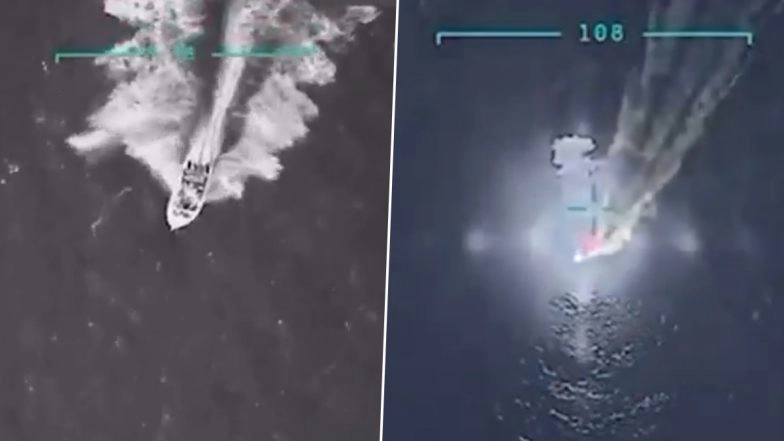
- Rehabilitation and Treatment
Instead of focusing solely on punitive measures, there should be a greater emphasis on rehabilitation programs for those addicted to drugs. By providing access to addiction treatment and support services, the U.S. can address the root cause of drug abuse and reduce recidivism. - International Cooperation
Drug cartels are global enterprises, and a coordinated international response is necessary to combat them. Rather than unilaterally pursuing military strikes, the U.S. should work with neighboring countries and global partners to dismantle drug trafficking networks. This could involve joint law enforcement operations, intelligence sharing, and diplomatic pressure.
The Path Forward: A Delicate Balance
The debate over whether lethal military strikes are the right approach to combating drug cartels is complex. While military force may seem like a necessary and effective measure, it raises significant ethical, legal, and practical concerns. As the U.S. continues to grapple with the drug crisis, it is crucial to consider all available strategies, combining short-term measures with long-term solutions that address both the supply and demand sides of the problem.
Ultimately, any strategy aimed at dismantling drug cartels must strike a balance between protecting American lives, upholding international law, and ensuring that the tactics used do not worsen the crisis they are trying to resolve.

Leave a Reply